




Condrieu and Viognier2018/4/22
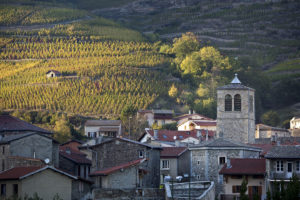
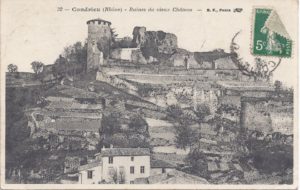
As the source of some of the most vibrant and powerful white wines in France, Condrieu is uniquely situated in one of the northern outposts of the Rhone River. It is the original Viognier appellation with a wine growing history reaching back well over two thousand years. Like most of the wine regions of the Northern Rhone, Condrieu’s vines grow on extremely steep and narrow granite terraces. But what makes the region unique is a topsoil, locally called, “arzelle,” made of decomposed mica. This and a sheltering of the harsh northern winds, make optimal sites to produce opulent and brilliant Viognier. It is a tiny zone with no room for expansion and produces miniscule amounts of wine each year, contributing to its allure.
A fine Condrieu will have aromas and flavors suggestive of ripe stone fruit, lime peel, green almond, ginger, white flowers and toasted nuts. A honeyed smell may mislead you to think the wine will be sweet but the modern style favors totally dry on the palate. Its texture will be full and soft but a touch of mineral will provide great balance.
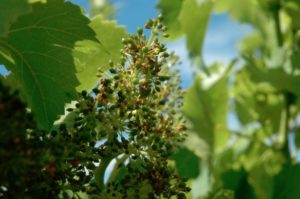
Viognier grape:
Full-figured and reminiscent of a potent floral perfume, Viognier is the mandatory grape of the northern Rhône appellation Condrieu and neighboring monopole (an entire appellation dedicated to just one winery) Château Grillet. It is also a blending variety in several appellations throughout the entire Rhône Valley. Viognier is grown throughout much of the world with some degree of success, but is perhaps at its best outside of France in Oregon, Washington, and cooler parts of Australia, where minerality and acidity can be achieved to give the wine the backbone it can sometimes lack.
In the Glass
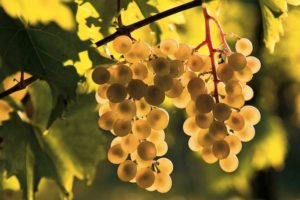
This is a heady, aromatic variety making rich, complex, and full-bodied white wines redolent of a floral bouquet and assorted stone fruits and tropical fruits, with a hint of spice not unlike that of Gewürztraminer. It is lower in acidity than most white wines, lending to its heavy impression on the palate. While a whiff of Viognier might suggest sweet flavors, these wines are typically quite dry.
Perfect Pairings:
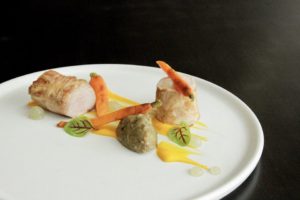
Viognier is an intense, bold variety that can easily stand up to gutsy food like pork loin with apricot stuffing, or rich, spicy fare.
Sommelier Secret:
While Viognier is a white grape, it also plays an important role in the red wines of Côte Rôtie in the northern Rhône, made otherwise from Syrah. About 5% Viognier is typically co-fermented with the Syrah in order to stabilize the color, and as an added benefit, add a subtle perfume.
Domaine de la Vieille Julienne, spring is here!2018/4/6
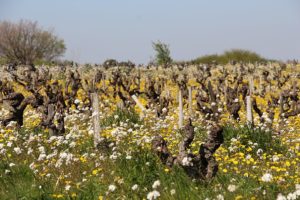
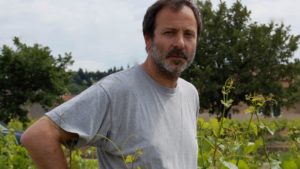
Inspired by the expression of terroir, the winemaker Jean-Paul knows that wines taste best when naturally produced.
Working with 10ha in the northern part of the appellation Chateauneuf du Pape, and with 5ha in Cotes du Rhone, Jean-Paul took over the family vineyards in 1990. In 1905, his ancestors purchased the property and sold solely to negociants, while bottling for family and friends. It wasn’t until the 1960’s that his father started bottling with greater intent, thereby providing Jean-Paul with the foundational knowledge that it took for him to develop his award winning wines.
When Jean-Paul took over the estate in 1990, he began working towards organic certification while practicing biodynamics in the vineyard.
Favoring wild yeasts and neutral woods, Daumen is a man of manual labor, who hand harvests his 100+ year old vines, punches down caps, and controls temperatures not with the aid of a computer system, but by checking the temperatures of tanks by hand, and regulating with “drapes”– the aluminum piping that carries hot or cold water to heat or cool the tanks.
The terroir is a rocky, sandy soil, perfect for the Southern Rhone Valley.
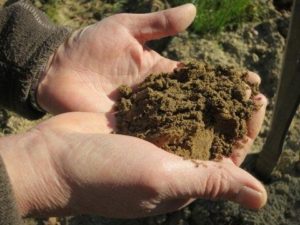
While the vines have an impressive average age of 60 years, the estate also has old Grenache vines that are over 100 years old! Biodynamic farming techniques are practiced in the vineyards. In their vineyards, they plant Grenache, Syrah, Mourvedre, Counoise and Cinsault.
The vineyard is planted in parcels, but the plots are all field blends, and not separated by grape variety. Thus picked at the same time. In the making the wine, the thought process to the blending is on a parcel by parcel basis, and not based on a grape by grape variety choice.
Low yields are the goal at Vieille Julienne. They are often under 20 hectoliters per hectare, which gives the wine a lot of its power, purity and concentration. The grapes are destemmed before alcoholic fermentation. At Vieille Julienne, all grapes are co-fermented. Aging takes place in a combination of foudres and old, oak barrels.
Lieu dit Clavin:
This is Jean-Paul’s oldest vineyard, with vines that are beyond 100 years old. It is also the parent material for the parcels within his Chateauneuf vineyards.
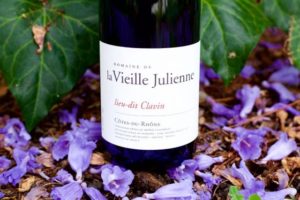
Indeed, this wine is not a Chateauneuf-du-Pape but it has a tendency to drink like one. The truth about Clavin is that there is a mere twenty-foot wide road that separates his Chateauneuf vineyards from this particular “lieu-dit”(a phrase meaning literally “place name”), Clavin. Jean-Paul thinks in some years Clavin can be better than his Chateauneuf, which commands three to four times the price. The wine is made of nearly 80% Grenache with the rest divided between Mouvedre and Syrah. Sulfites are added at the end of its year in foudre, just before bottling. The wine is neither fined nor filtered.
AVin’s dinners✨-first edition- 3/242018/3/26
AVin’s dinners ✨-first edition-
aVin is pleased to announce the start of a serie of collaborations with Chefs from different countries and influence.
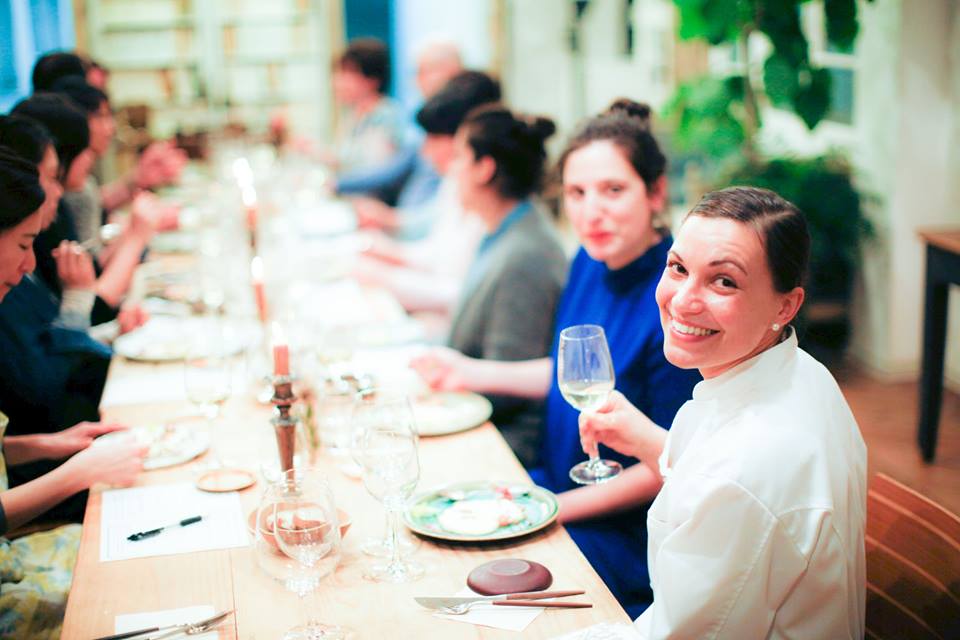
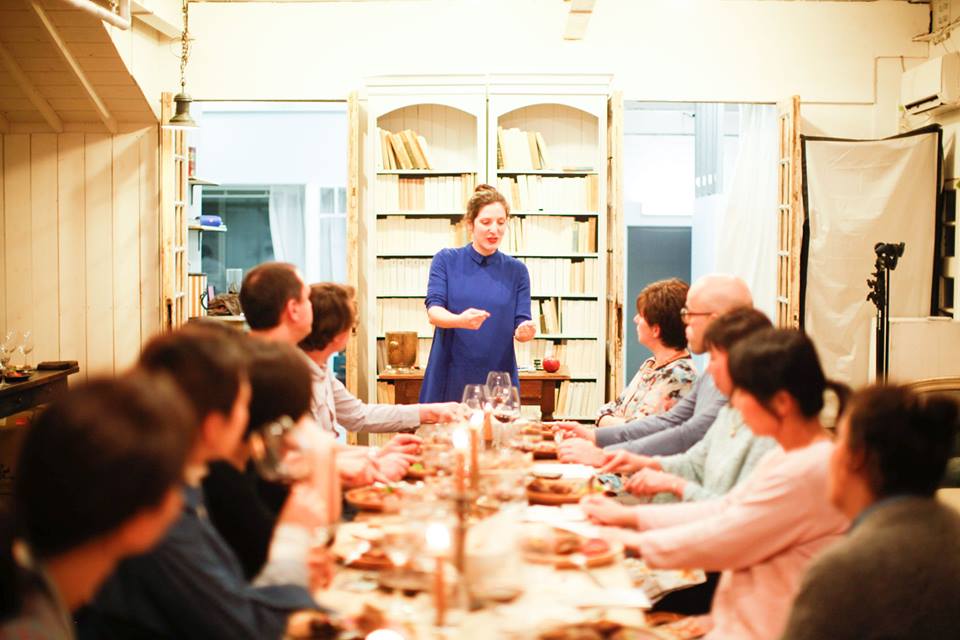
The first edition took place last february in one of our studio with
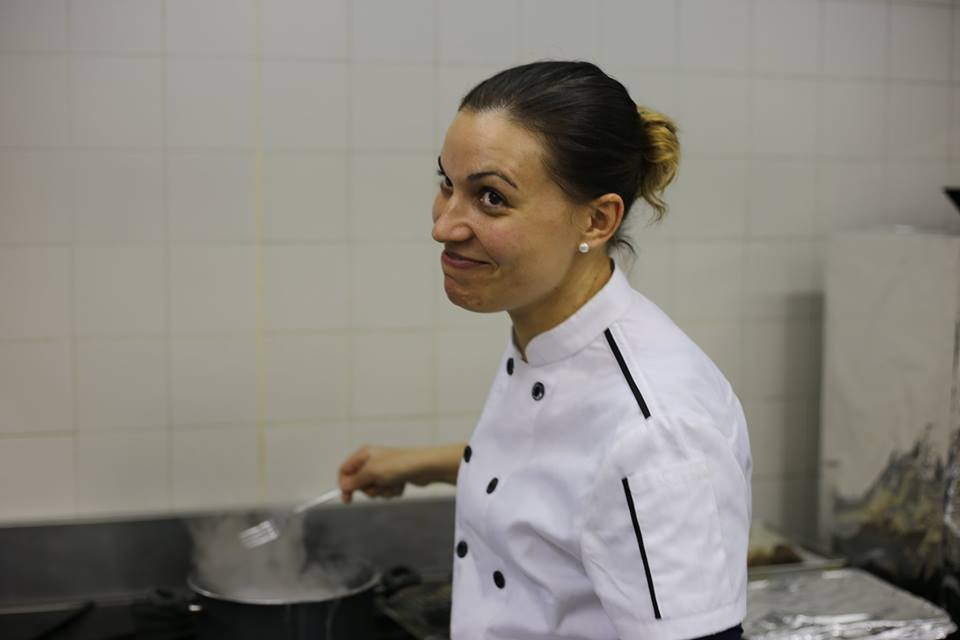
Penelope Barboza, executive Chef of Tokyo’s Argentine Embassy, living in Japan since 2012 after working in several restaurants in Argentinia and Uruguay, her home country. South American cuisine forms the foundation for Penélope Barboza identity, but her repertoire embraces influences from Italy, France or Japan.
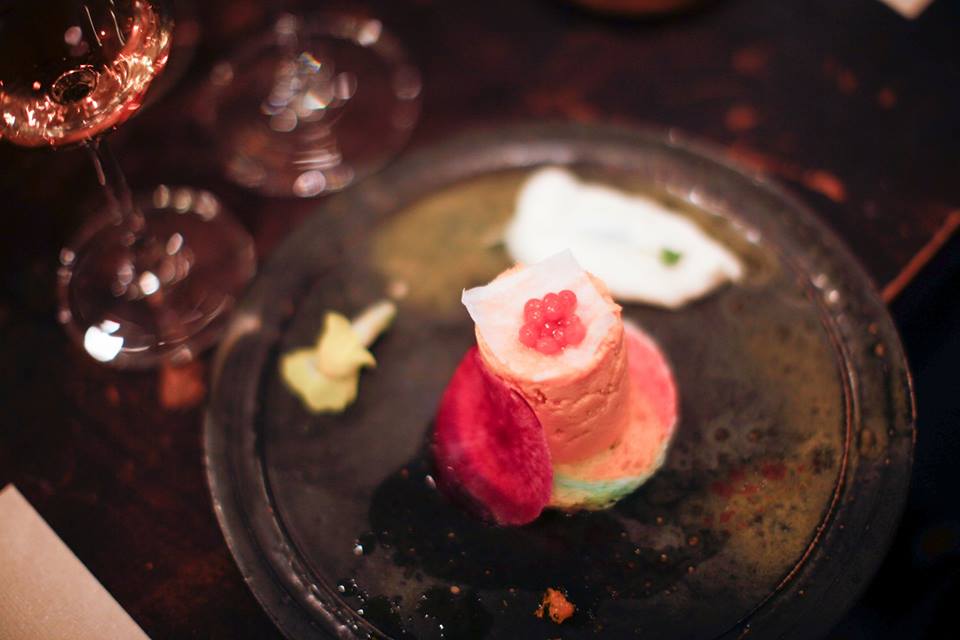
The menu incorporated fine flavors from Japan and France as Tsubaki, Umeshu or black truffle and her dishes seeked to emulate the beauty of these cultures encounteer with the wines from the Rhône Valley and Provence.
We hope with these collaborations to share our vision of the cullinary experience as a complete cycle, interrelating a body and its environment, an individual to its community.To invite you to discover unusual flavours and pairing! Discover our wines from Provence and Rhone Valley. Occasions to evoke terroirs, tastes, aromas, colors of the wines but also shed light on the people behind.
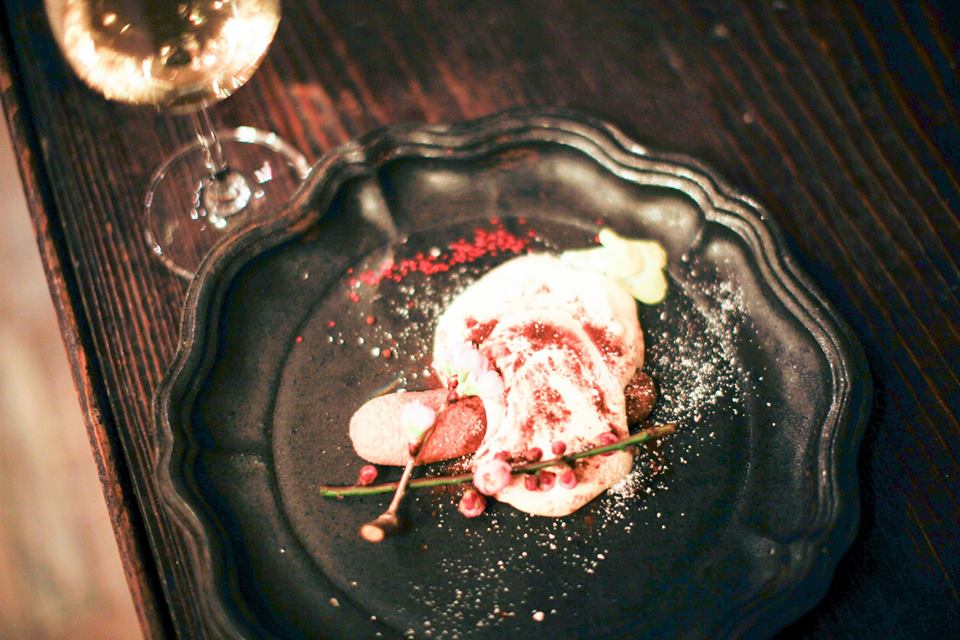
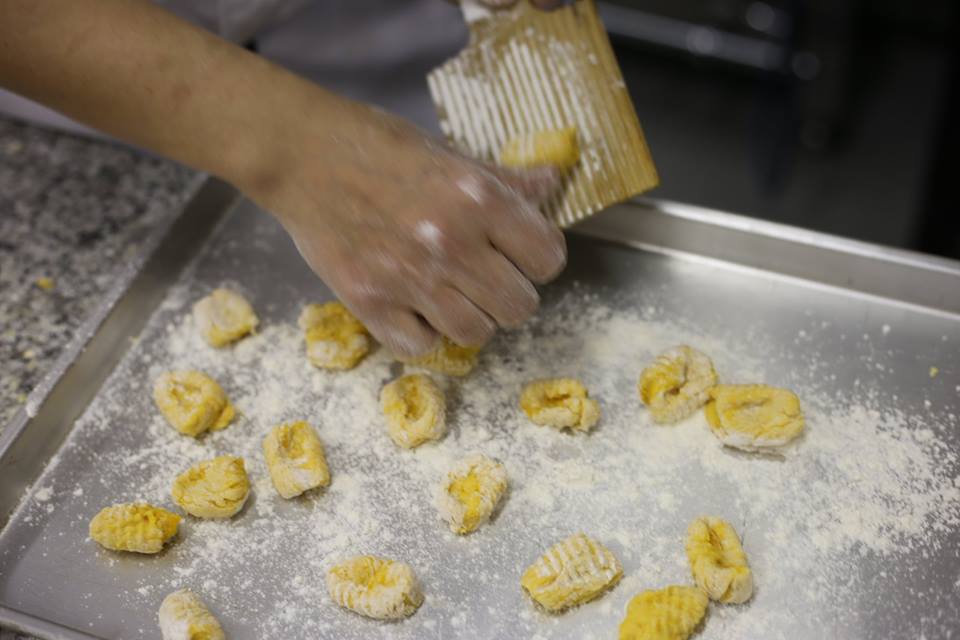
Discover some photos of the preparation at the Argentine’s Embassy and during the dinner!
Penelope’s Menu: “Tsubaki sur galets ronds”
LITTLE PALABRAS :
Tarteletas of corn, paprika/basil and oysters.
with Funky Château, Nagano, Gris-Gris
APPETIZERS : Langoustine mousse, homemade Provence bread, white sauce Chauf Froid, Pomegranate dressing.
with Domaine du Gros Noré, Bandol rose 2014
Empanadas of black truffle queso cheese.
with Domaine Le Clos du Caillou, Réserve Châteauneuf du Pape, 2011
PASTA :
Gnocchi with Porcini tomato sauce & sage pumpkin cream.
with Domaine Le Clos du Caillou, Réserve Châteauneuf du Pape, 2011.
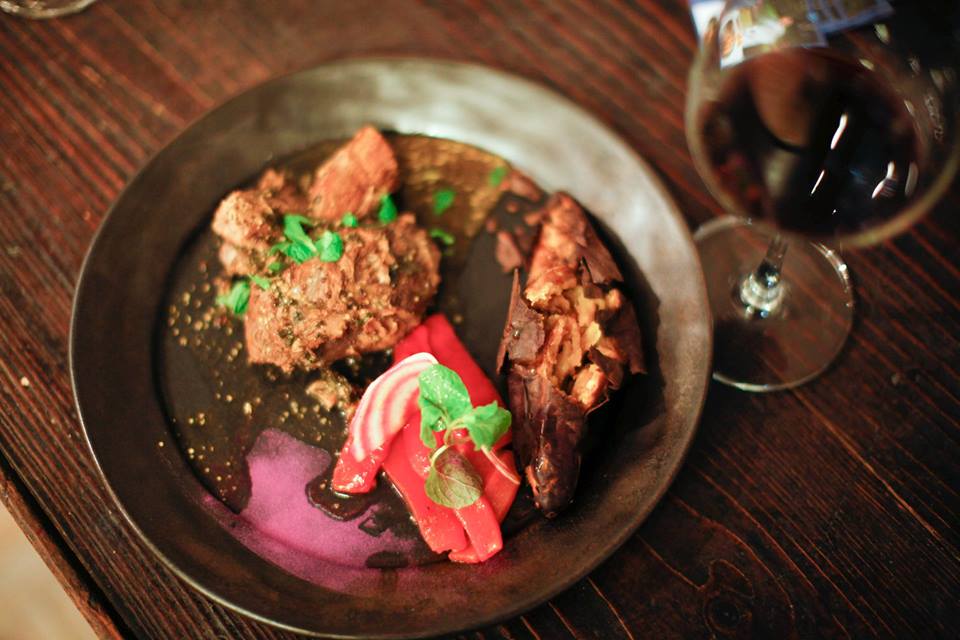
MAIN DISH : Lamb braised with Dijon mustard & mint, sweet potatoes teriyaki, roasted peppers.
with Domaine Château Vannières, Bandol 2011
DESSERT :
A Tiramisu in Japan with Tsubaki camelia flowers tea, Umeshu plum liquor.
with Domaine de la Vieille Julienne, Côtes du Rhône blanc 2013
Today’s wine: Cotes du Rhône red 2014 Lieu-dit-Clavin -Domaine de la Vieille Julienne2018/3/22

Origin : Southern Rhône Valley, Châteauneuf du Pape
Grape variety: 75% Grenache-10% Cinsault- 5% Syrah- 5% Mourvèdre- 5% divers
SO2: 40mg/l
Viticulture : Organic farming, biodynamic
Harvest : Manually
Vinification: first sorting in the vineyards, second sorting after arriving in the cellar-wild yeast only- no SO2- 20 days in vat- light maceration to respect the grapes
Élevage: one year in oak barrel and 6 months in bottles
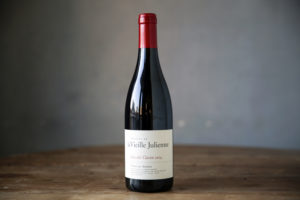
Vines years average: 85 years old.
Vineyards: 4 hectares, south exposed terrasses- mix of Miocène formation, Helvétien and alluviums post-wurmiennes-Villafranchienne terrasse covered with pebbles-yellow sands/molasse
Bottling: without fining or filtration. 2mg of SO2 added
Wine Advocate-Parker :89
From vines located around the estate and just over the northern border of Châteauneuf du Pape, the 2014 Côtes du Rhône Lieu Dit Clavin offers lots of ripe red currants, toasted spice, licorice and crushed herbs in a medium-bodied, mouth filling and Provençal character. You can feel the tannin on the mid-palate and finish
To pair with: a splendid apple pie or a pork loin with apricots.
Winemaker comment: “It has good vivacity, ripe grape flavours with freshness,” Jean-Paul Daumen
![25299178_513222439056771_479137022325646520_n[1]](http://avin.jp/wp-content/uploads/2018/03/25299178_513222439056771_479137022325646520_n1-300x158.jpg)
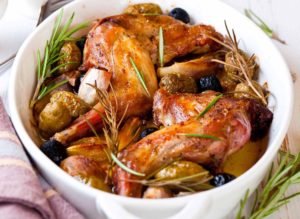
to eat with: braised rabbit with olives and capers
Service Temperature: 16-18°C
Vol: 13,5% vol
To drink: from now until 2024,
Decant for 2 hours prior to drinking
Bottle Size: 0,75l
Price: ¥2,765
Daumen wines2018/3/8
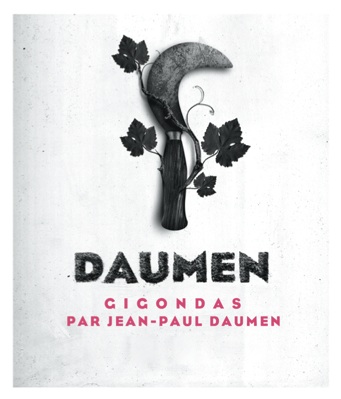
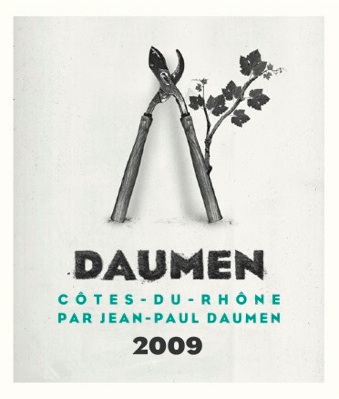
The Daumen wines are a side project of Jean-Paul Daumen, the mastermind behind Vieille Julienne. The Vaucluse and Cotes-du-Rhone vineyards have been in the Daumen family as long as the Chateauneuf vineyards. They have also been under biodynamic practice since the early 90’s, with the same level of detail and care as the wines of Vieille Julienne. Both the Lirac and Gigondas come from vineyards that are owned by two former employees of Jean-Paul. Jean-Paul has worked out a deal with them to convert the vineyards to biodynamic viticulture, and they are under JP’s complete control. These wines compete at the highest level for their appellations.
Statement from the winemaker:
“Over the years as I watched the latest generation of young talented vine growers toil their fields. I came up with an idea that would become this current project: I wanted to bottle the fruit of their labor, to capture the spirit of their work, their passion. I knew we shared many things in common, especially the notion of working naturally in the vineyard, so I would simply extend this natural work to my cellar, seeking nothing more than a common expression of our Rhone terroir.
This project is about winemaking, it is about buying grapes from parcels whose soil are rich, vibrant, and alive-an integral part of my philosophy. The project is also about working sustainably.
I source fruit from organically cultivated vineyards, and use recycled materials for all our packaging to better protect our environment.
This is a new portfolio of wines for me, wines that are meant to be accessible and authentic. I want them to be real wines, meant to be enjoyed without pretence. They are modest, and straight from the heart.
Finally, this project is about being true to my approach to wine making wine, which is working with the best and healthiest fruit in my cellar. This allows me to simply guide the winemaking process, with the least intervention possible. My work will remain nuanced, avoiding extraction and artifice. My desire is to leave my imprint as an artisan, with the challenge of making wine that expresses purity of fruit, uniqueness of vintage, and a terroir’s personality.
In all sincerity- ”
Jean-Paul Daumen