





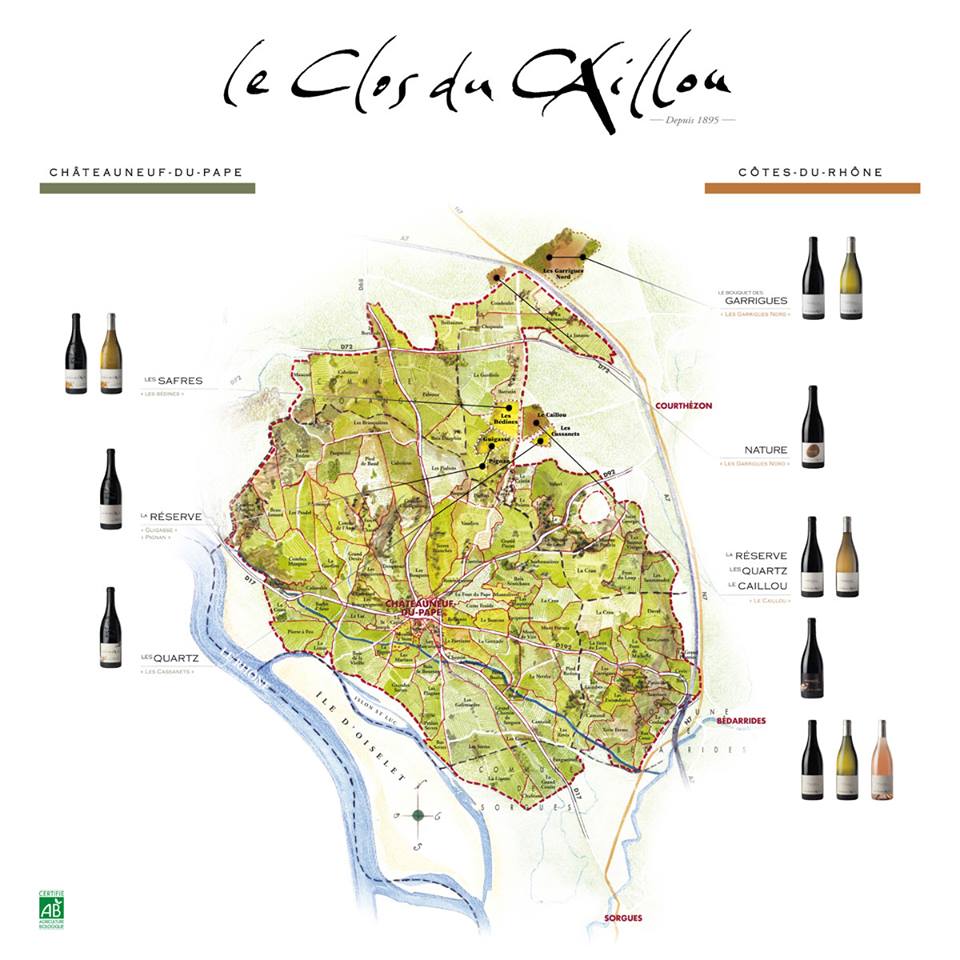
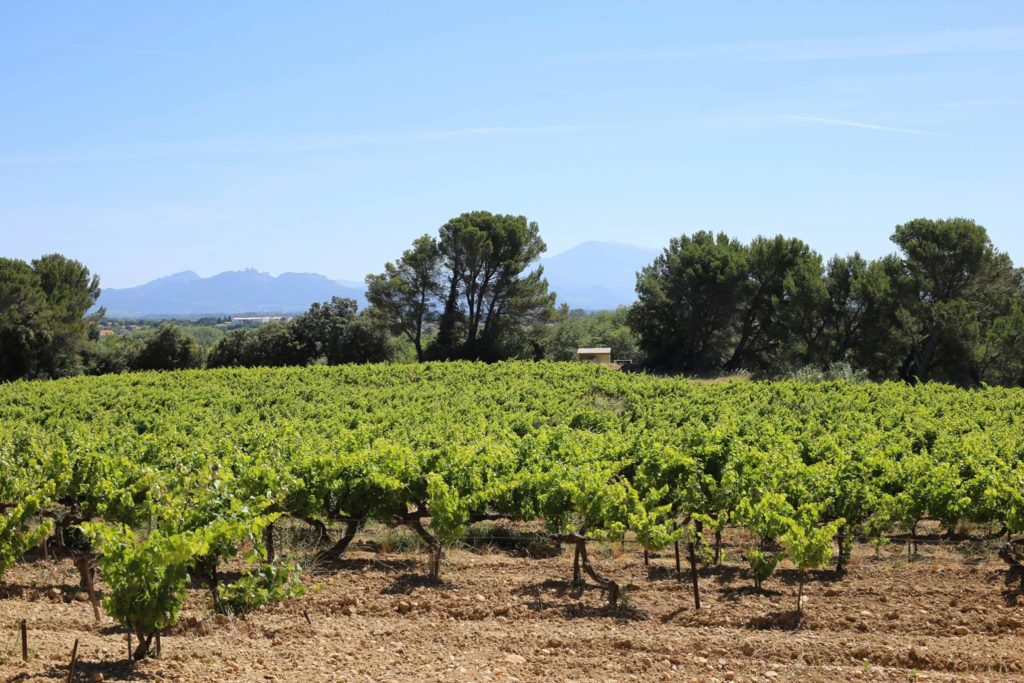
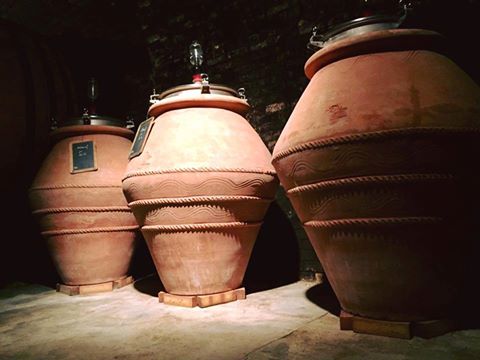
Visit to Le Clos Du Caillou- In the cellar 3 new terracota jarres with 2016 vintage-2017/9/15
Visit to Le Clos Du Caillou- In the cellar 3 new terracota jarres with 2016 vintage-
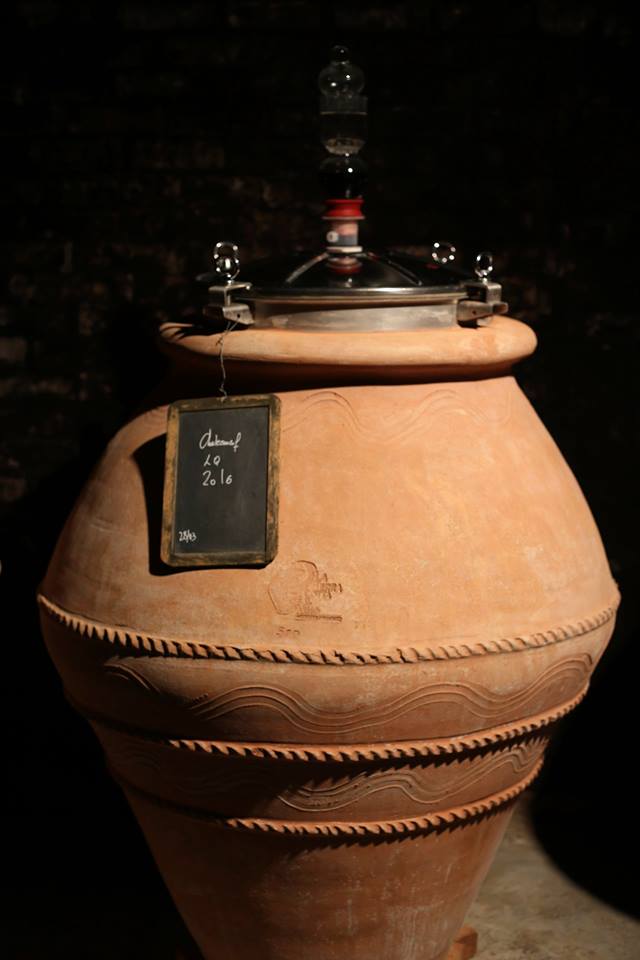
We see more and more terracotta jars in cellars. Winegrowers who use them for ageing wines wish to preserve the purity of the wine and fruit.
The ageing of wine in terracotta jars is a new trend that has been developing among winegrowers over the past ten years, probably in reaction to the excesses of wooded wines. In the Lot, Stéphane and Véronique Azémar, from the Domaine Clos d’un Jour (Cahors, South-West), were the pioneers in 2004. They have now many followers.
The idea? Reproduce the gentle oxygenation generated by barrel ageing, but without the aromatization of wood (vanilla, cocoa …) thanks to the porosity of the terracotta. The jars have a capacity of 140 to 400 liters. The raw, liquid-tight, air-permeable soil remains neutral and adds no aroma to the wine.
SLOW AND REGULAR AERATION OF WINE
At the heart of the jar, an alchemy unfolds between wine, terracotta and oxygen. This type of ageing allows a slow and regular aeration of the wine through the pores of the jar. It enhances the expression of aromas, contributes to the stabilization of the color, the softening of the tannins for the red wines, and eliminates the stench coming from reducing process often induced by the ageing in vats. It allows the winemaker to remain “closest to the wine” by highlighting its terroir and its grape varieties, without added tastes. A quest for purity of wine expression that promises beautiful tastings.
WINEMAKING IN JARRES: The opinion of Stéphane Azémar, owner winegrower at the Clos d’un Jour, in Duravel (46):
“It is difficult to determine from the taste of a wine if it has been aged in terracotta jars or not, but this type of ageing has a beneficial effect on the wine by the gentle oxidation it generates and the absence of aromatization by the wood. The terracotta jars retain the aromas of the grape varieties and the characteristics of the terroir without masking them.Compared with the same vintage aged in vats, a wine aged a few months in jars offers. The wine is rounded, with more volume, and the tannins present a high quality with a high level of flavor. There is often an impression that the wine evolves slightly faster under the effect of oxygen and one can then believe that it is a little older than its age of one or two vintages . ”
(from the Revue du Vin de France december 2016)
http://www.larvf.com/,vins-elevage-vin-jarres-vieillissemen…
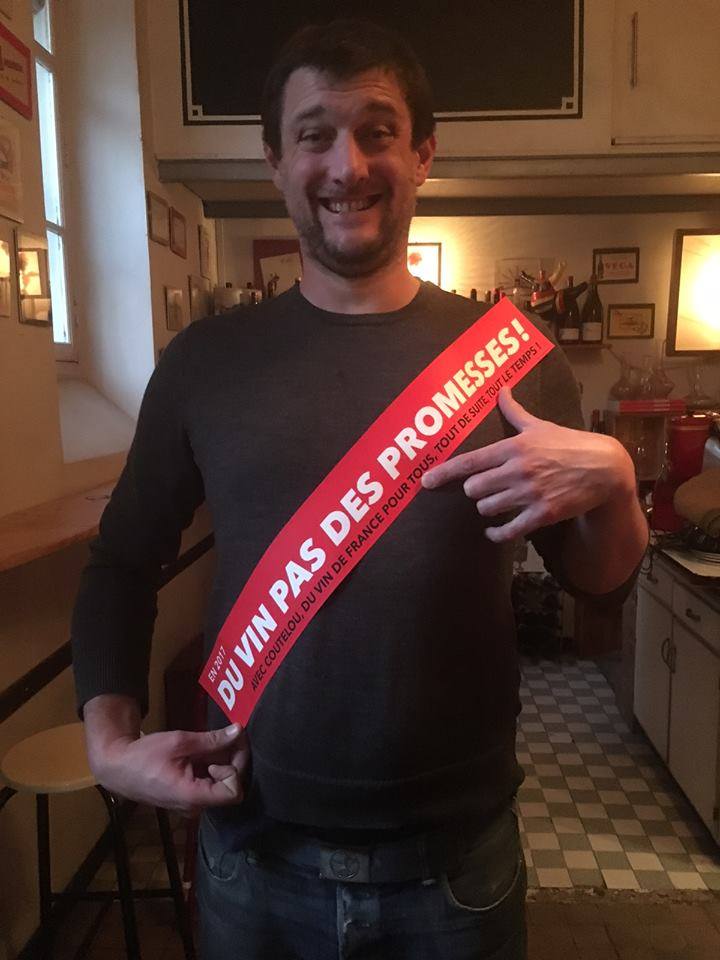
Cellar and wine bar Les Buvards, Marseille.2017/9/14
Cellar and wine bar Les Buvards, Marseille.
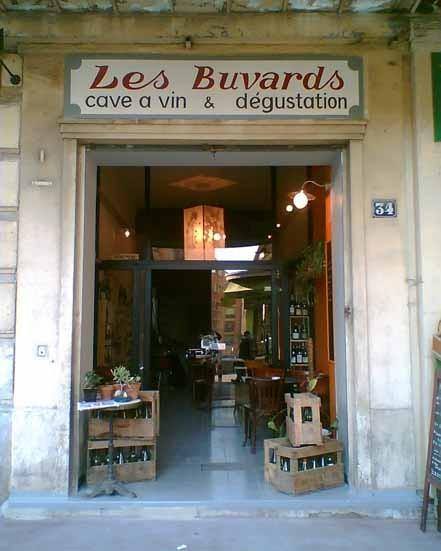
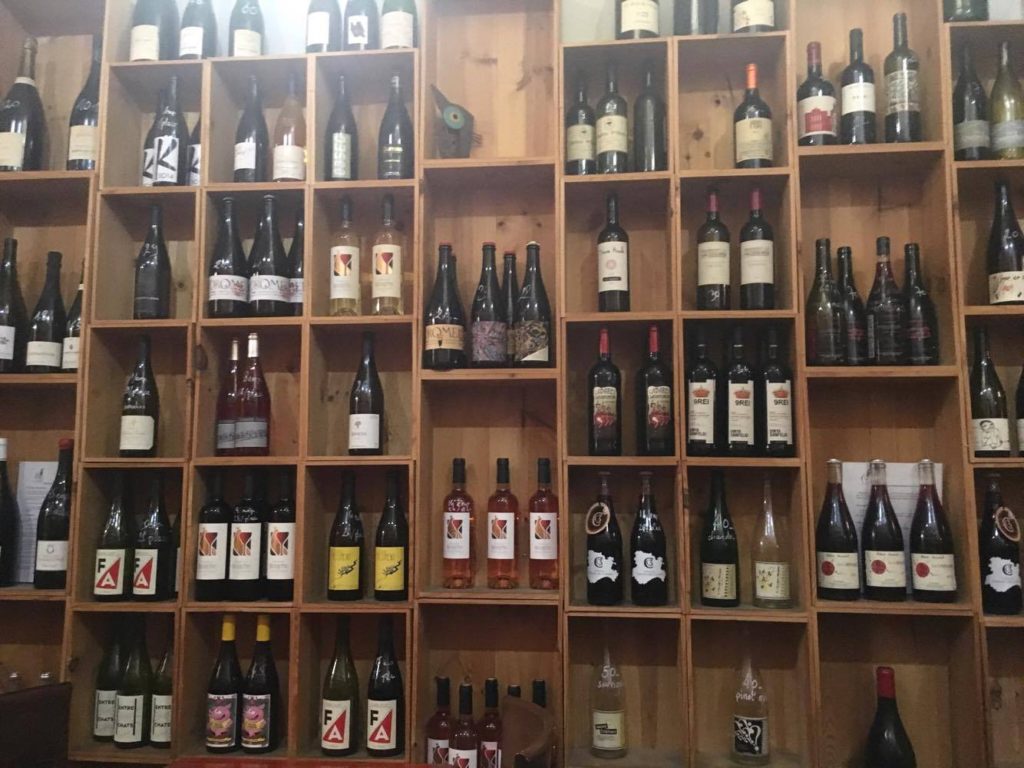
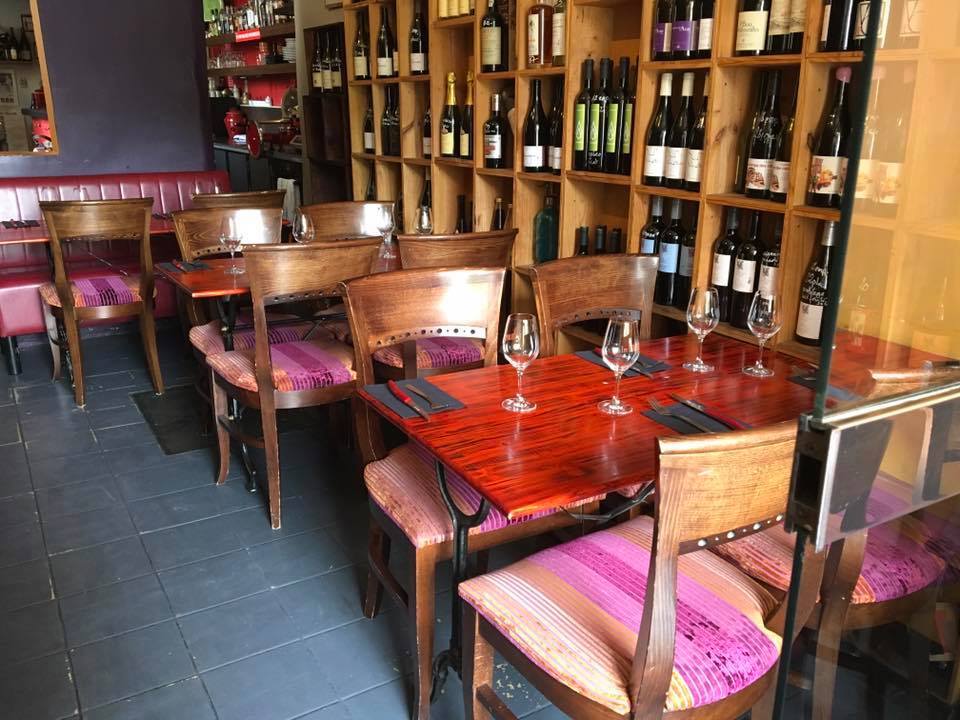
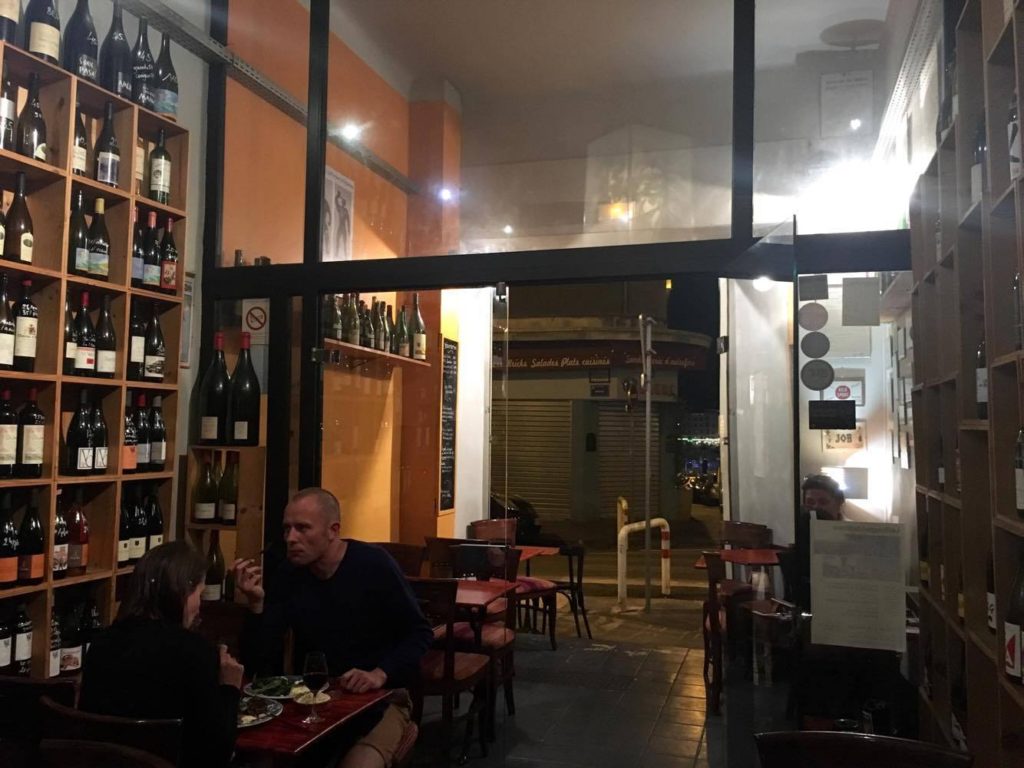
This wine cellar and wine bar offers a slendid wine list of natural, organic and biodinamic wines in a calm street two steps away from the Old Port.
The atmosphere is warm with many references to natural wine precept and philosophy.
Fred, the young owner was a professional sommelier before to open this charming adress and is also at the kitchen commands
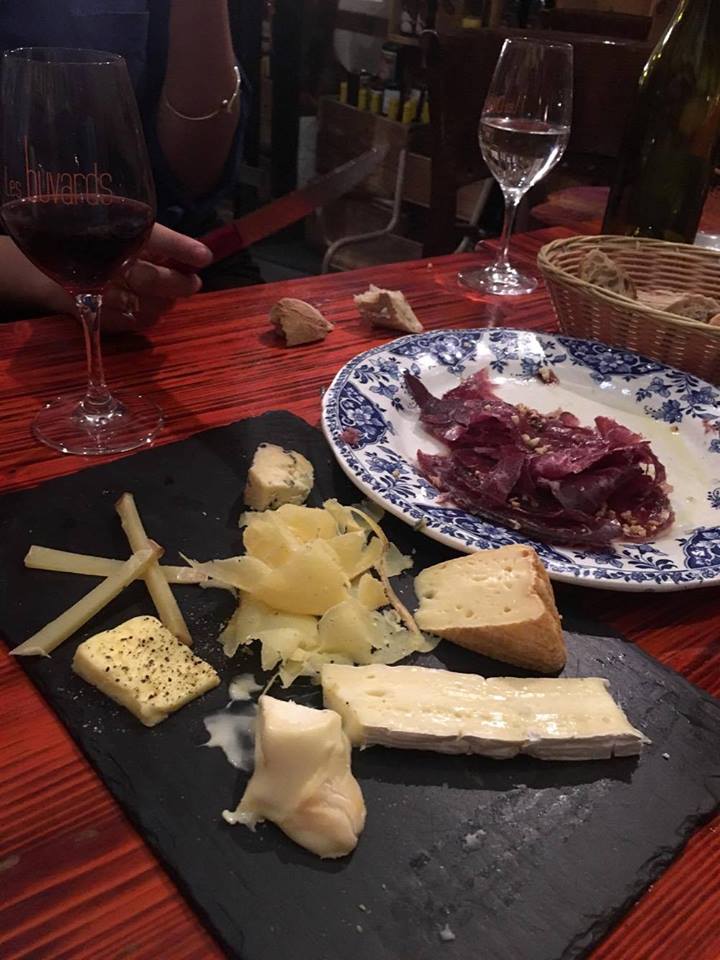
The service is always friendly and offers precise and good advice either you are looking for a bottle to take away or a glass to enjoy with a plate of cheese or charcuterie.
The beautiful cellar has more than 300 references (with natural wines, organic or worked biodynamic) and even champagne at 26 €.
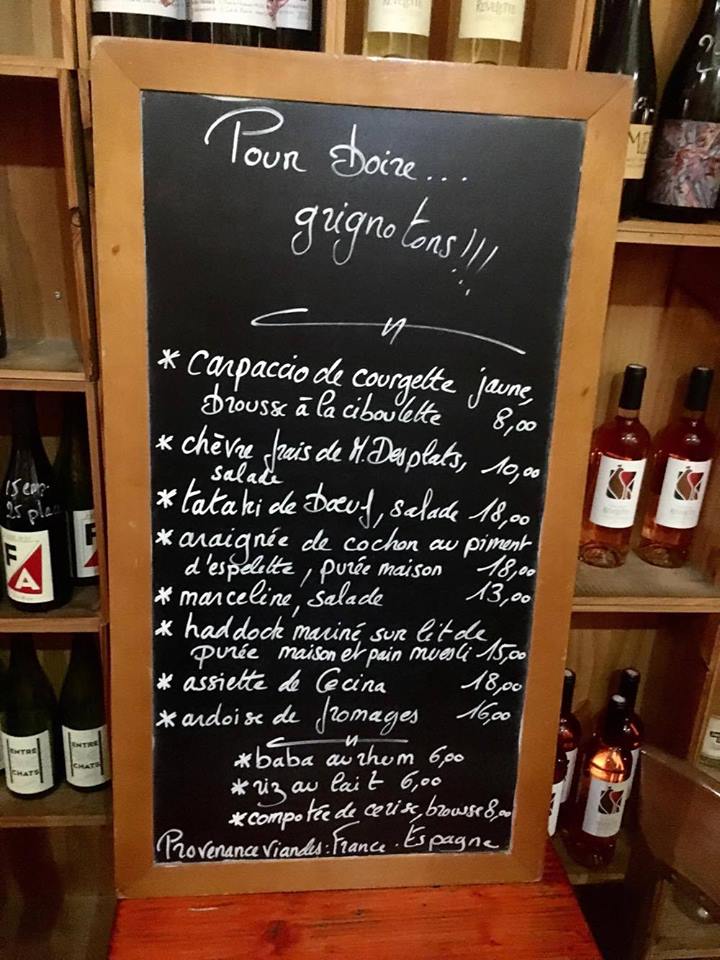
The menu, writen on a black board is simple and emphasis on the products.
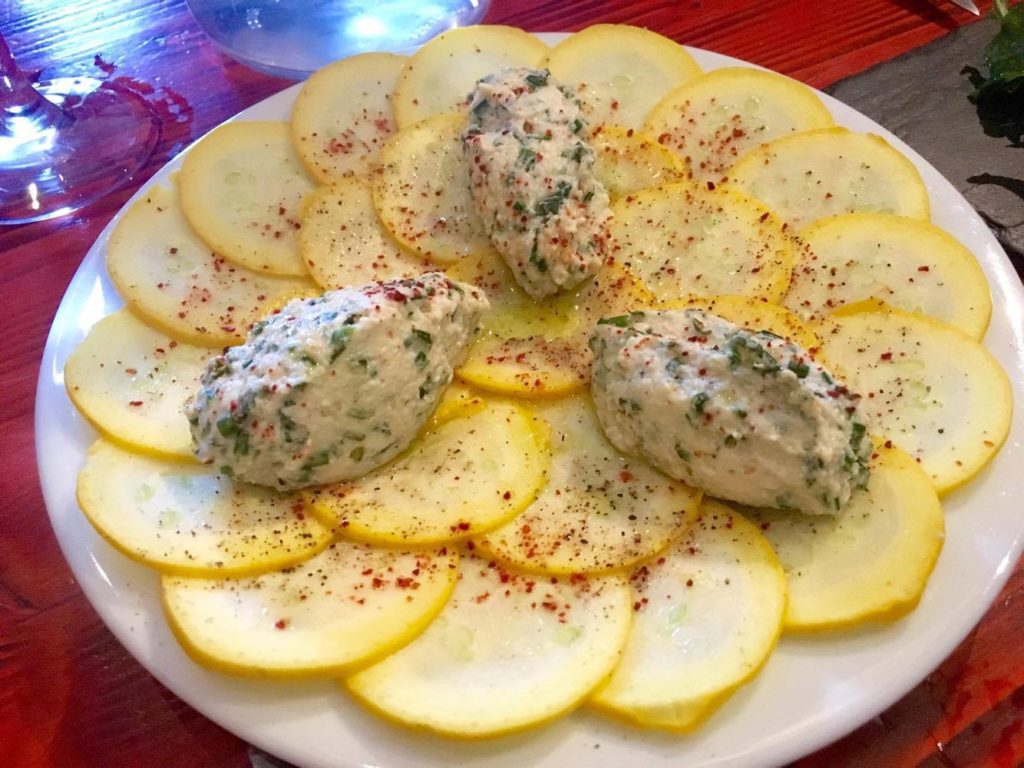
The choice goes widely from generous plate of delicatessen, cut finely and divinely perfumed, beef tataki, marinated haddock, lamb with tapenade, fried sardines, yellow zucchini carpaccio with bruccia or its superb andouillette!
With very reasonable prices it makes this charming and quality cellar and table a place to discover!
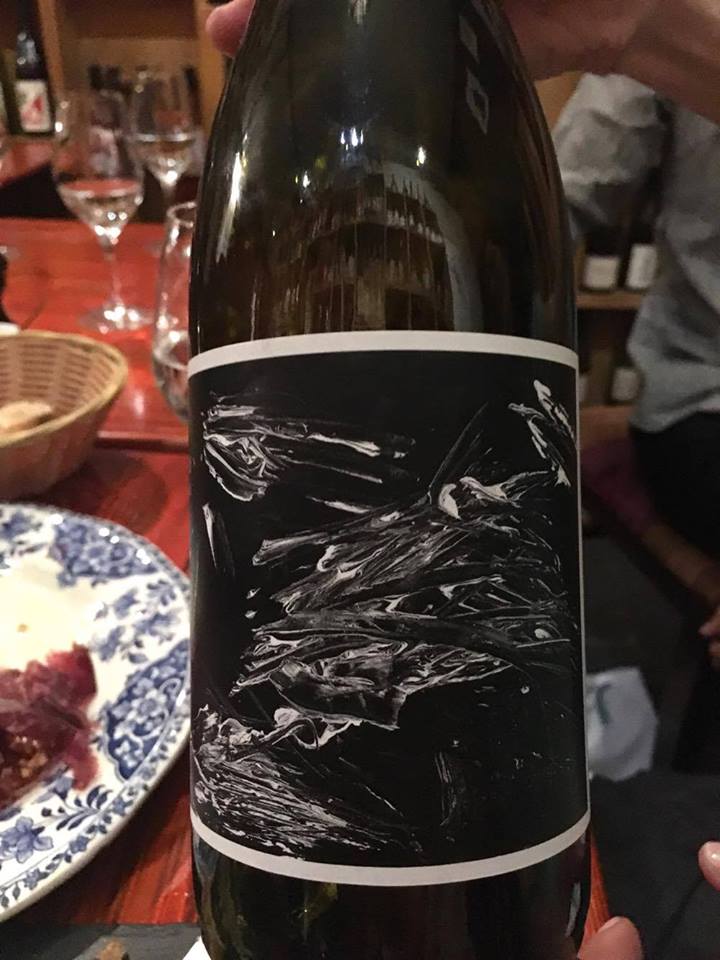
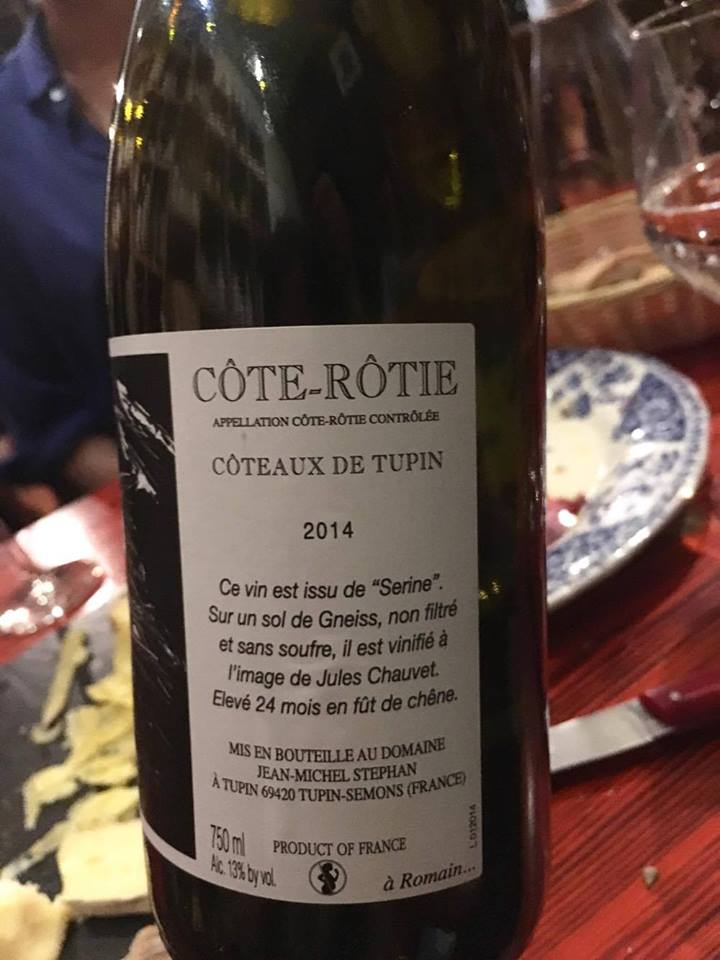
To note the excellent Côteaux de Tupin from Jean-Michel Stephan winemaker in Côte-Rôtie (non filtered and without SO2 added).
https://www.facebook.com/les.buvards/?hc_ref=SEARCH&fref=nf
34 Grand Rue, 13002 Marseille
Open everyday from 4pm to 1am, closed on Sunday.
Les paniers Marseillais- (Marseille’s baskets)2017/9/6
Les paniers Marseillais- (Marseille’s baskets)
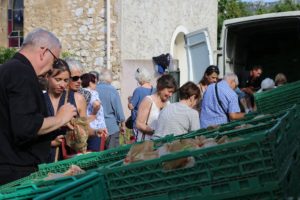

“Les paniers Marseillais” is a social network association of consumer and user organised in solidarity based partnership with local organic farmers.
The historic starting point for this approach takes its roots in the 1960s, in Japan, where mothers of families worried about the consequences of the intensification of agriculture, and had the feeling of poisoning their children by feeding them. They then decided to regroup and sign a contract with a farmer: in exchange for the purchase guarantee of all his production in advance, the farmer commited to cultivate without chemicals. Thus was born the first “Teikei”, which can be translated as “put the face of the farmer on the food”.
The first efforts of the Teikei were coordinated by the Japanese Association of Organic Agriculture (JOAA, established in 1971) and the Foundation for International Research on Natural Agriculture.
At the same time in Europe (Germany, Austria, and Switzerland), community experiments based on the same principle developed.
In 1985, the concept was imported from Europe to the United States and changed its name to CSA “Community Supported Agriculture”. These projects emerged in the New York region as a means of addressing the significant decline in the number of farmers and the difficulty of accessing low-income populations to quality food.
The CSAs developed and spread to Canada, before crossing the Atlantic again to settle in Britain.
As early as 2000, Daniel Vuillon envisaged the creation of AMAP (see article of January 2000 published in the Garden Gazette).
In 2001, following a trip to the United States during which they discovered the CSA, the Vuillon farmers, on the outskirts of Toulon (83), decided to launch the first AMAP (Association for the Maintenance of Peasant Agriculture) in France. This experience has enabled them to maintain their activity in a region that has lost 15 000 farms, especially among small ones, in a period of 5 years, one third of its workforce.
Today, the phenomenon continues to spread:
Northern Europe, Hungary, Ghana, Australia, New Zealand …
“Les paniers Marseillais” difference with AMAP is that they are exclusive partnership with farmers following organic precepts or in reconversion.
Their goal is to promote access to organic food and ecological products for the largest number of people by establishing short circuits and direct partnerships between producers and consumers. Being a place of reflection and action concerning the environment, food and health.
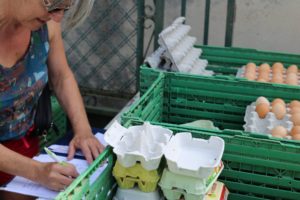
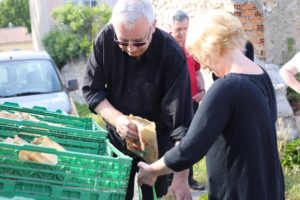
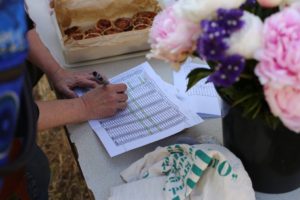
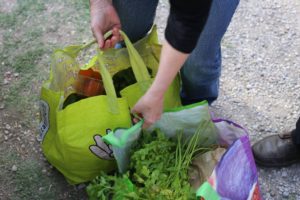
Today we met the Péré family selling directly their baskets every week to 11 areas in Marseille and coming from their farm certified by eco-cert in Saint Gilles near Arles city.
Les Baux-de-Provence- Carrières de Lumière(The Quarries)2017/9/1
Les Baux-de-Provence- Carrières de Lumière(The Quarries)
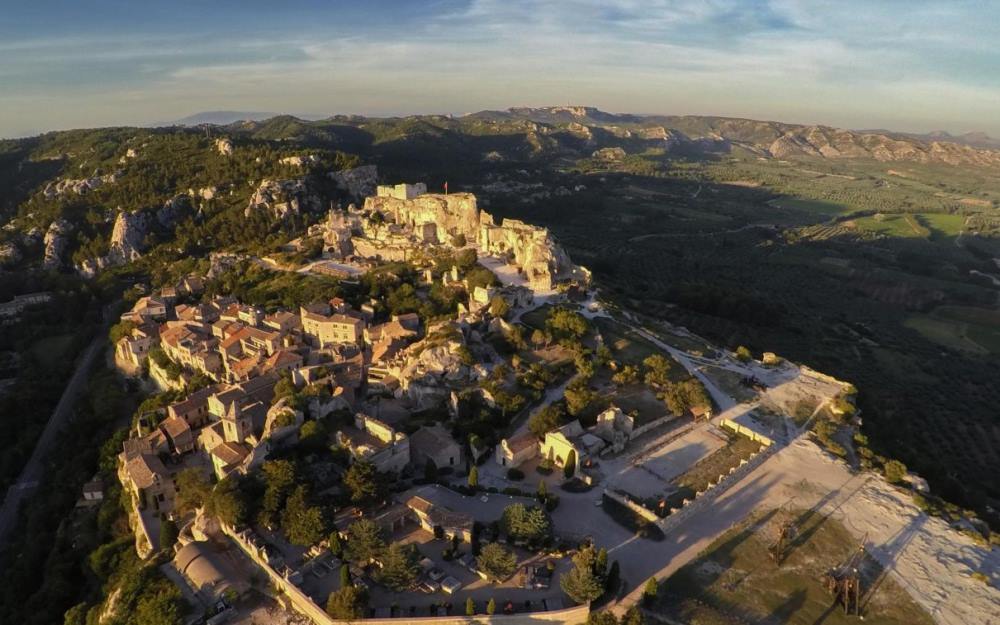
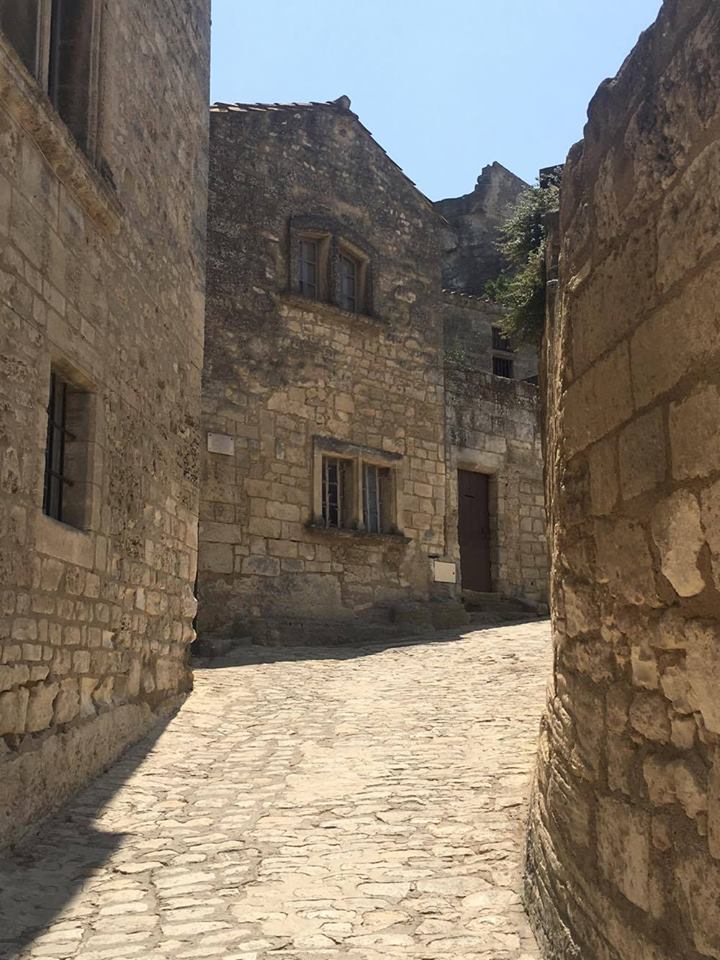
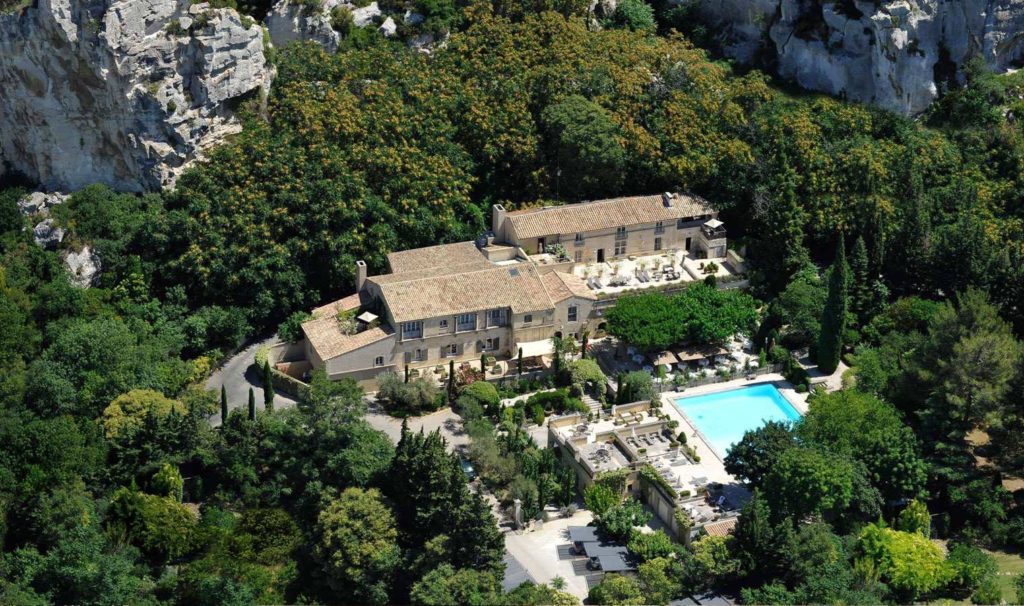
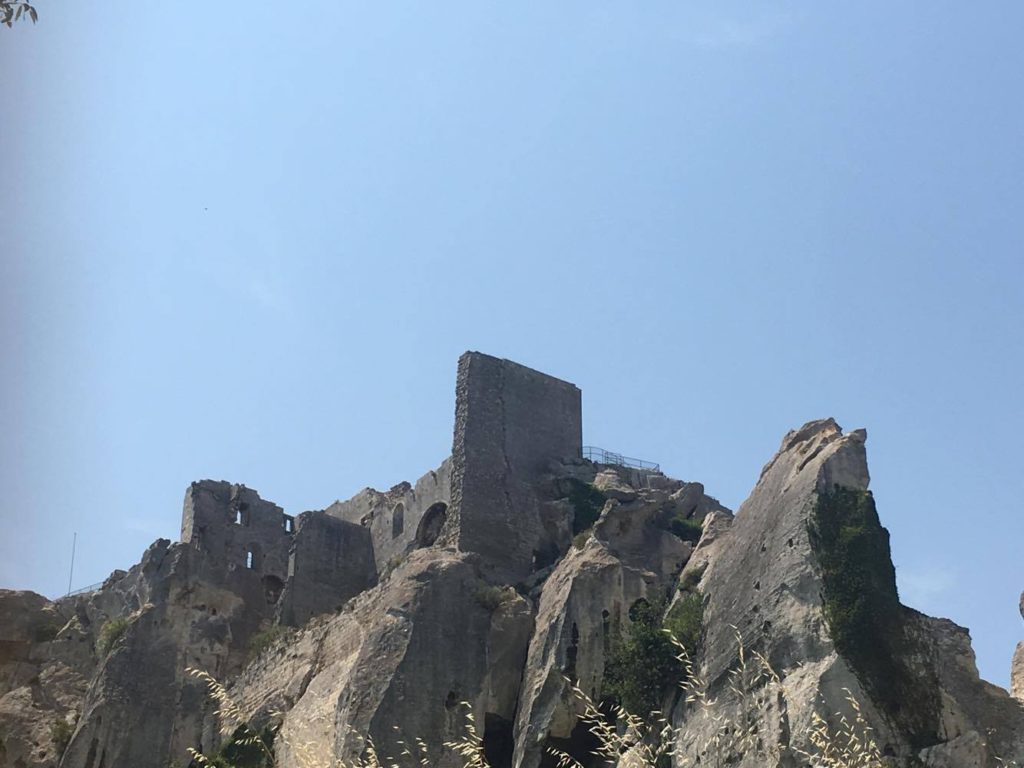
Set in the heart of the Alpilles regional country park, Les Baux-de-Provence is a listed heritage site that has won titles such as “one of the Most Beautiful Villages in France” or “Station classée”. In fact, the village is unique because it is just that bit more famous than others, and just a bit more magical. And the essence that gives Provencal villages their very special atmosphere and fragrance is here too – small squares, well-shaded terraces, narrow streets and small shops.
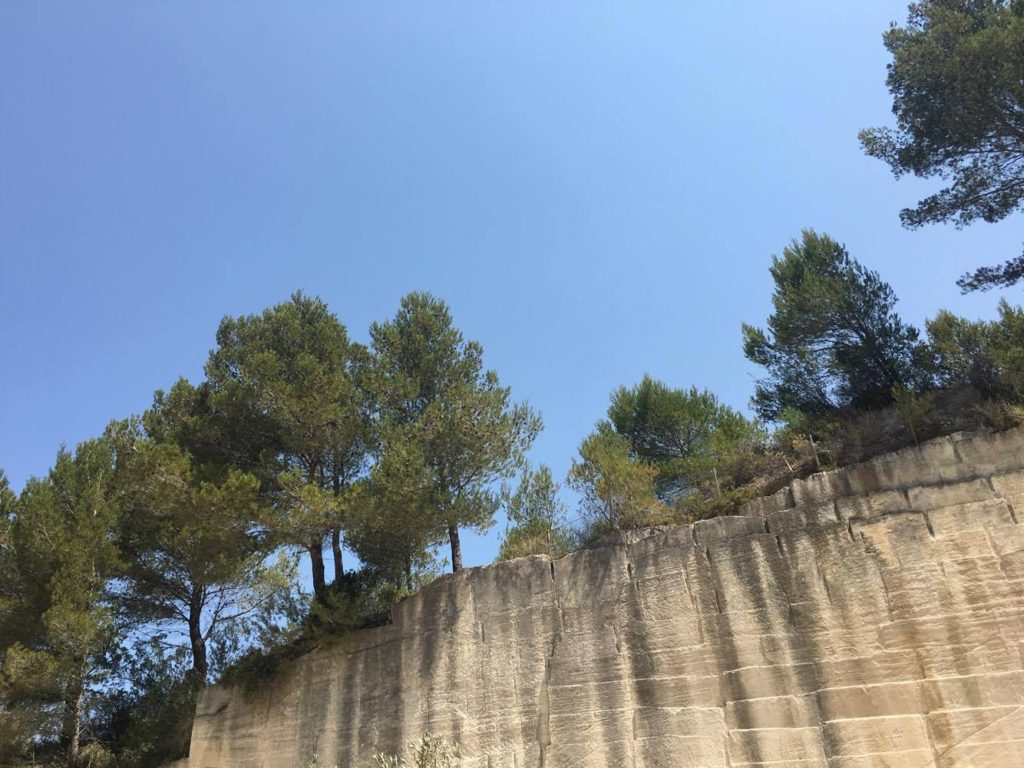
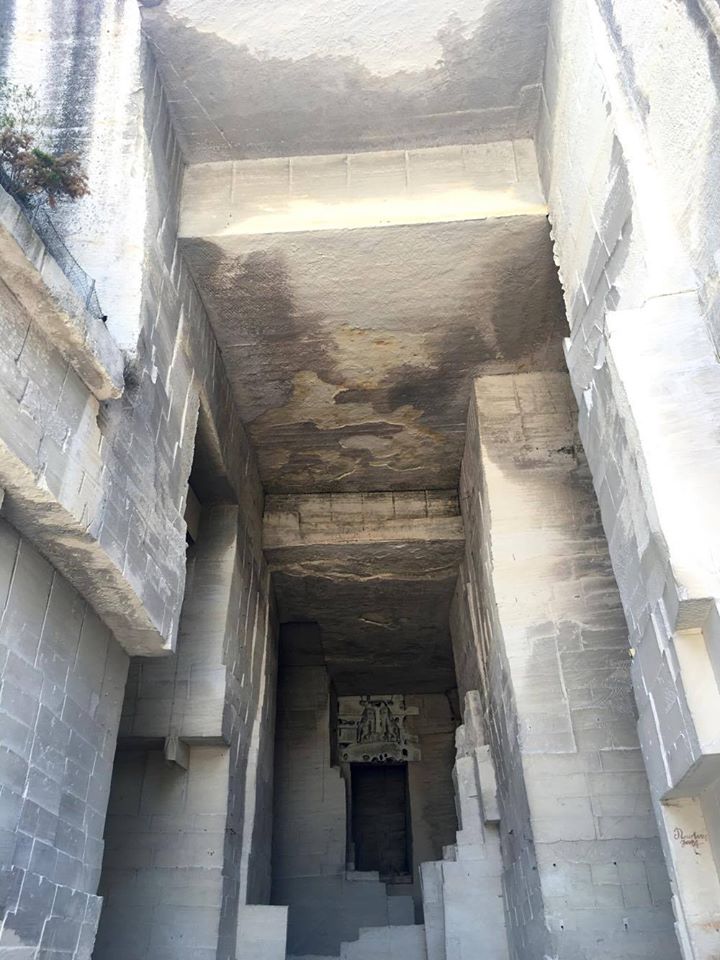
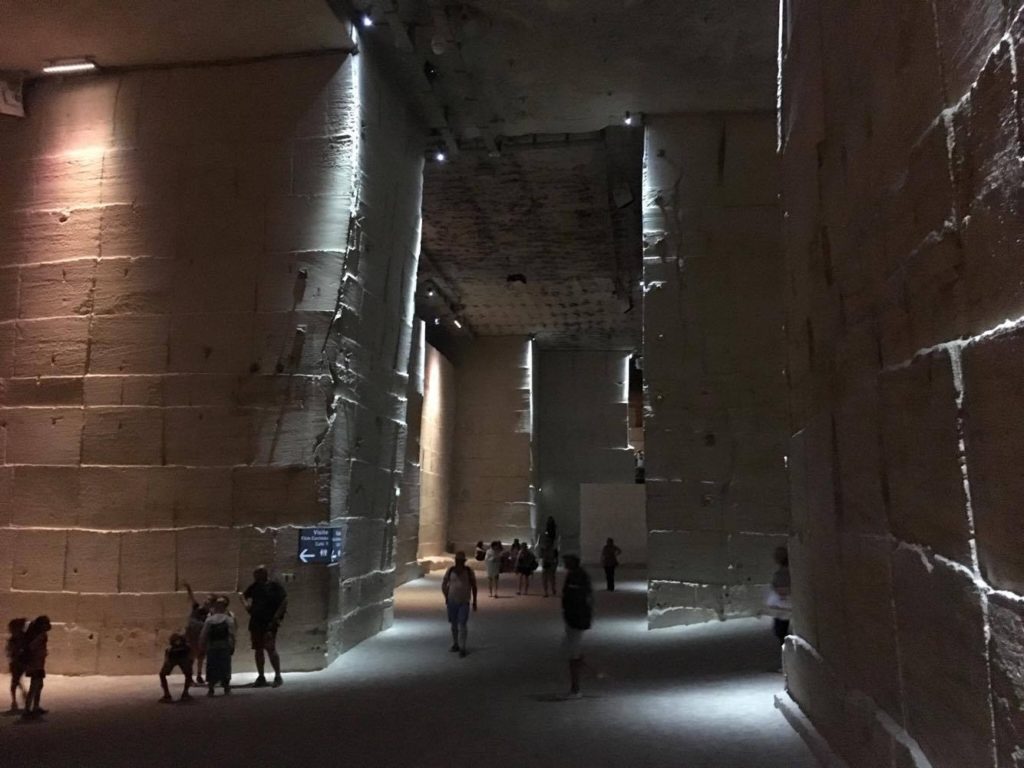
Located in the heart of the regional Alpilles park, the quarries of the Val d’Enfer were exploited for industrial purposes until 1935. The quarries had been renowned for their easy extraction and the white colour of their limestone since the second century BC. They were used to construct Glanum near Saint Remy de Provence, the medieval village of Baux de Provence, and the castle of Baux.
The mineral wealth of the Alpilles was confirmed in 1821, when a red mineral used for the extraction of aluminium was discovered. It was named bauxite, refering to the nearby village of Baux de Provence. While the quarries of the Val d’Enfer are today a national heritage site, they still carry the signs of their industrial past. The walls are marked by the intensive extraction methods used to mine the stone, such as the “crocodile saw”, giving them an novel image, full of mystery and majesty.
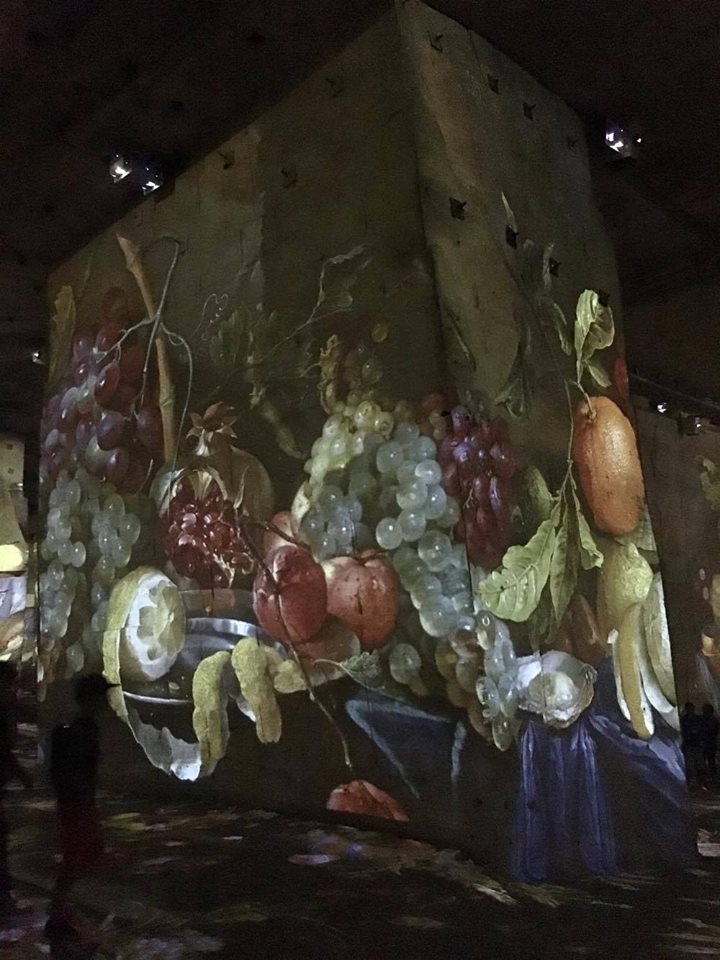
The unique atmosphere and cool temperature of the site have always inspired artists to get creative. For them, the quarries served both as a muse and a setting, an inspiration and a stage for their creations. Dante found the ideal setting for his “Divine Comedy” here, Gounod wrote his opera “Mireille”, and Cocteau came to film “The testament of Orpheus”. Due to their exceptional artistic heritage, the quarries of the Val d’Enfer eventually shed their industrial past. Thanks to the visionary genius of Cocteau and the research done by stage designer Joseph Svoboda, the quarries became host to an ambitious cultural project in 1977. Their immense walls were transformed to serve as projection screens for photographic images. For over thirty years now, the quarries of the Val d’Enfer have been host to new projections every year.
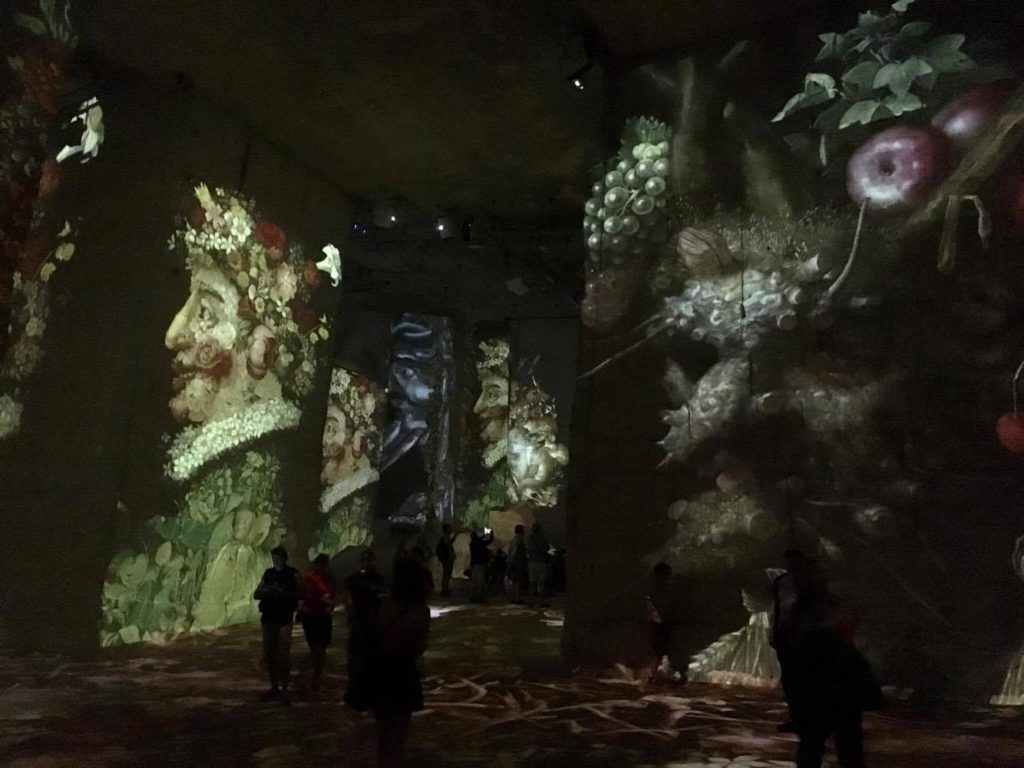
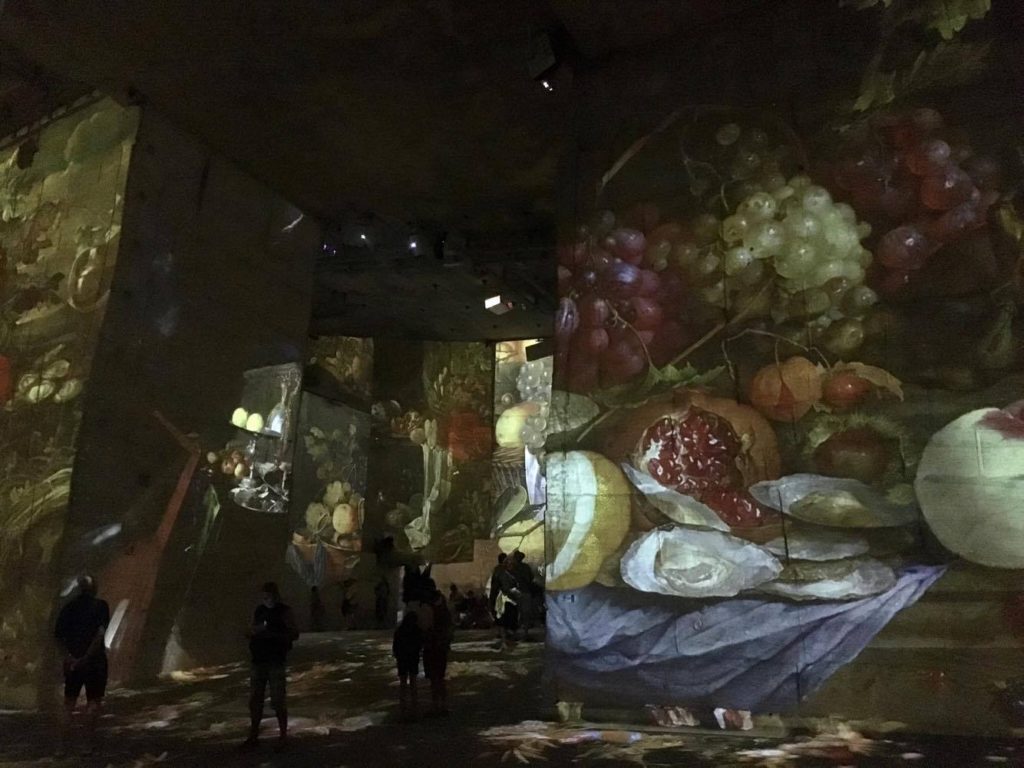
The Fantastic and Wonderful world of Bosch, Brueghel, Arcimboldo, From 4th March to 7th January 2018.
From Hieronymus Bosch’s most emblematic triptychs to the remarkable compositions of flowers, vegetables, and fruits by Giuseppe Arcimboldo, and the religious themes and village festivals painted by the Bruegel dynasty, the Carrières de Lumières is highlighting the fascinating worlds of these great masters. These artists endeavoured to represent the ferment of life and human activities, in all the duality pf a world that alternates between God and Evil.
The show offers a journey through pictorial hstory from the Renaissance to the Baroque, a journey that looks at a variety of genres, from genre scenes and still lifes to the fantastic.
The dreamlike imagination of Bosch and the creativity of Arcimboldo’s fantastic faces are complemented by the joyful triviality of the Flemish Brugel dynasty, placing their many characters firmly in the real world. The spectators are intermittently immersed in the various worlds that disturb, amaze, and surprise them. Based on the metaphor of the triptych, the panels gradually open to reveal the keys to understanding the works of Flemish and Italian masters.
Where to eat in Les Baux-de-Provence:
-L’Oustau de Baumanière
Relais & Châteaux*****
2 Michelin stars
-Baumanière la Cabro d’Or
Jean-André et Geneviève CHARIAL
Mas Baumanie
13520 Les Baux-de-Provence
Tel +33 (0)4 90 54 33 07
www.baumaniere.com
La Caravelle- Marseille2017/8/29
La Caravelle- Marseille
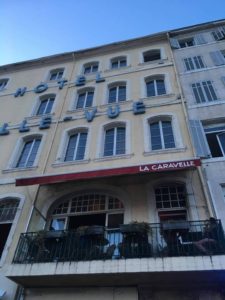
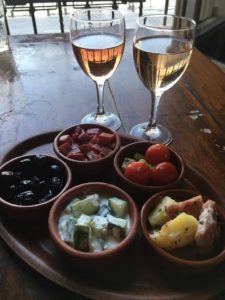
In to the heart of Marseille, the bar-restaurant La Caravelle open every day from 7 am to 2 pm. Free tapas from 6.30pm to 9pm. Jazz concerts and appetizers to enjoy with friends, whether you are from Marseille or just passing by, La Caravelle is a bar that goes through ages.
A conviviality that makes the memory of Marseille.
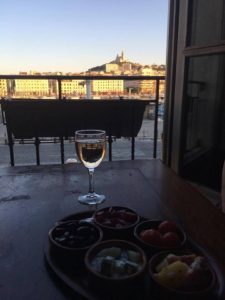
A popular sunny balcony with a stunning view on Notre Dame de la Garde and the vieux port at your feet!
To join the bar-restaurant la Caravelle walk along the pedestrian Old port edged with masts, look up and you will see people having a drink on the balcony, in a few minutes, you’ll be with them, a glass of pastis in your hand.
Because that is the secret of the longevity of this cabaret since the 20s; being the gateway between generations and origins.
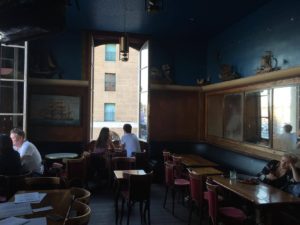
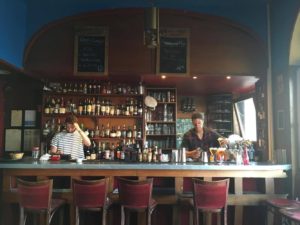
That mythical bar, attended by sailors, has today become everybody’s bar. Enter the Bellevue hotel, climb up the first floor and push the door of the bar-restaurant La Caravelle.
Over the day, customers of all generations chat over coffee, tea of cold drinks, in a jazzy atmosphere.
Some type on their laptop, some others read French and foreign press at disposal. Music lovers can play the piano. Eco-friendly, the place has obtained, jointly with Bellevue hotel, the international label The Green Key. Water, energy, waste, responsible purchases and awareness of clients and staff.
Concerts
Jazz with all its brightness. A sailor bar, woody walls, and concerts 2 times a week, 3 euros per person.
New artists or regulars on Wednesdays and Fridays!
34 Quai du Port, 13002 Marseille
04 91 90 36 64