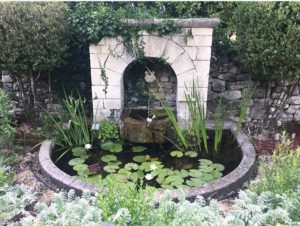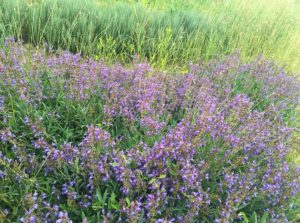







Château LaCoste- Le Puy Ste Réparade in Provence.2017/6/13
Château LaCoste- Le Puy Ste Réparade in Provence.
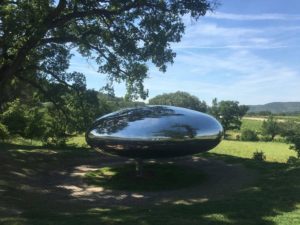
Adhering to biodynamic principles, Château la Coste strives to preserve the terroir, protecting its fertility, safeguarding the essence of the soil. Designed by French architect Jean Nouvel the wine making Chai was inaugurated with the grape harvest of 2008.
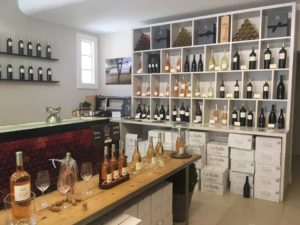
In 2009 Château LaCoste wines were given the French organic label “AB” in recognition of the respect shown to the land along with the methods used which are in perfect harmony with nature.
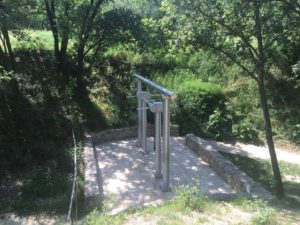
Château La Coste is a vineyard where Wine, Art & Architecture live in harmony. Artists and architects were invited to visit the Domain and discover the beauty of Provence. In turn, they were encouraged to choose a place in the landscape that spoke directly to them and were given the freedom to create a work that would live there. Château La Coste will continue to evolve as new projects and installations are developed.
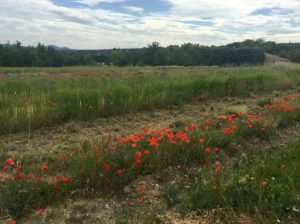
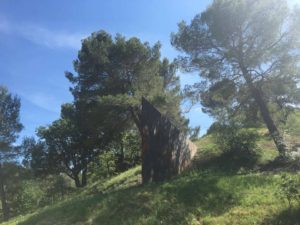
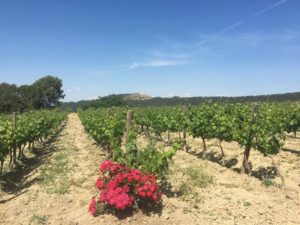
The walk through wooded hilltops and valleys, alongside olive groves and vine fields, can be taken at any pace, discovering the many installations of contemporary art.
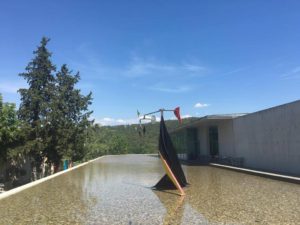
The Art Centre for Château La Coste was created by Tadao Ando. The building showcases many of the Japanese master’s signature elements to create an extraordinary experience of light and space in nature. A vast infinity pool of water, one wing of the ‘V’ houses is the reception and bookshop. The other wing includes a restaurant which overlooks the water and vines.
Tadao Ando’s uniquely smooth concrete walls are marked by a series of conical points and are organised into tatami proportions. His sculptural use of this medium creates strong geometric lines, framed points of view and a variety of reflections throughout the day. The interplay between interior and exterior spaces is seen everywhere in the building.
“What I tried to do here, because of the presence of Cézanne in Aix, is create new works close to nature.” Tadao Ando says. “I wanted to capture the same, very humble spirit of a Cézanne painting.”
Three types of culinary experiences are offered.
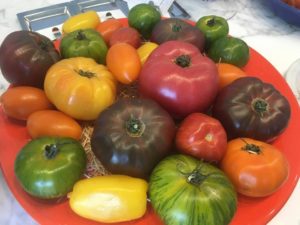
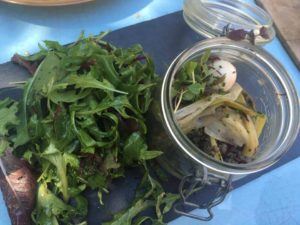
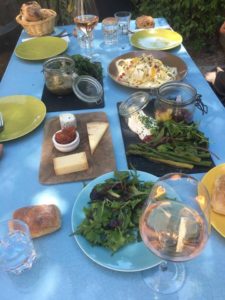
At the Tadao Ando’s restaurant the menu highlights seasonal produce from the organic vegetable garden specially designed by Louis Benech. Provençal and Mediterranean dishes are freshly prepared in our kitchen and served throughout the day.
The Terrace is an outdoor café using ingredients from the kitchen garden, the menu offers fresh salads, veloutés, home-made tarts, farmers cheeses and organic charcuterie, accompanied by the wines of the domain.
You can enjoy live music throughout the summer.
The restaurant Mallmann: mediterranean fish roasted in a clay oven, Charolais beef cooked over fires. Fresh vegetables and herbs from Provence cooked “Rescoldo” style – buried in ashes. A long roll up of vegetables marinated and seared to perfection on the plancha. Charred summer fruits with homemade ice cream and dulce de leche pancakes for dessert.
On show at Château La Coste now: Hiroshi Sugimoto – The Sea and The Mirror
Exhibition 9th of May – 3rd of September
At the new Renzo Piano Pavilion.
Concerts at the Music Pavilion by Frank O. Gehry: Saturday 3rd of June : Joe Bel
Saturday 10th of June : Diva Faune
Saturday 17th of June : Raphaël Imbert
Saturday 24th of June : Joulik
Cinéma in the vines: Château La Coste is organising for the sixth year running its evenings of Cinéma in the Vines
Saturday 8th of July : Manhattan by Woody Allen
Saturday 15th of July : The Intouchables by Eric Toledano et Olivier Nakache.
Saturday 22nd of July : Whiplash by Damien Chazelle.
Saturday 29th of July : La vie est un long fleuve tranquille by Etienne Chatilliez
Saturday 12th of August : E.T. by Steven Spielberg
Saturday 19th of August : Peau d’âne de Jacques Demy
http://chateau-la-coste.com/directions/
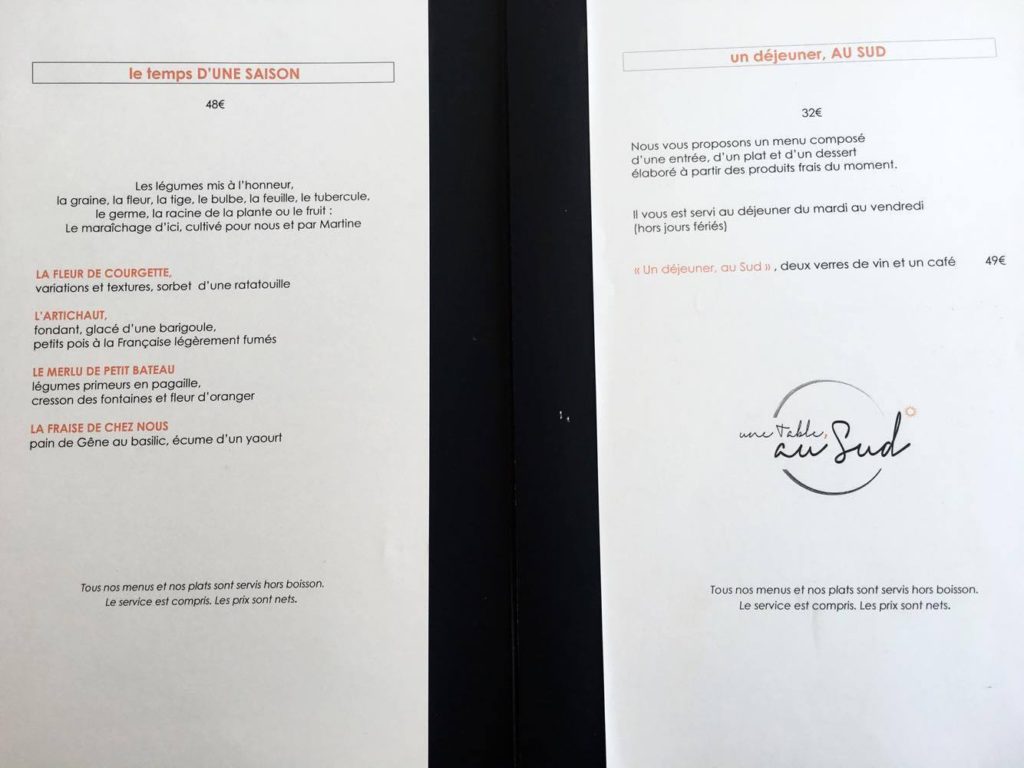
Restaurant Une Table, Au Sud- Marseille, Old Port.2017/6/11
Restaurant Une Table, Au Sud- Marseille, Old Port.
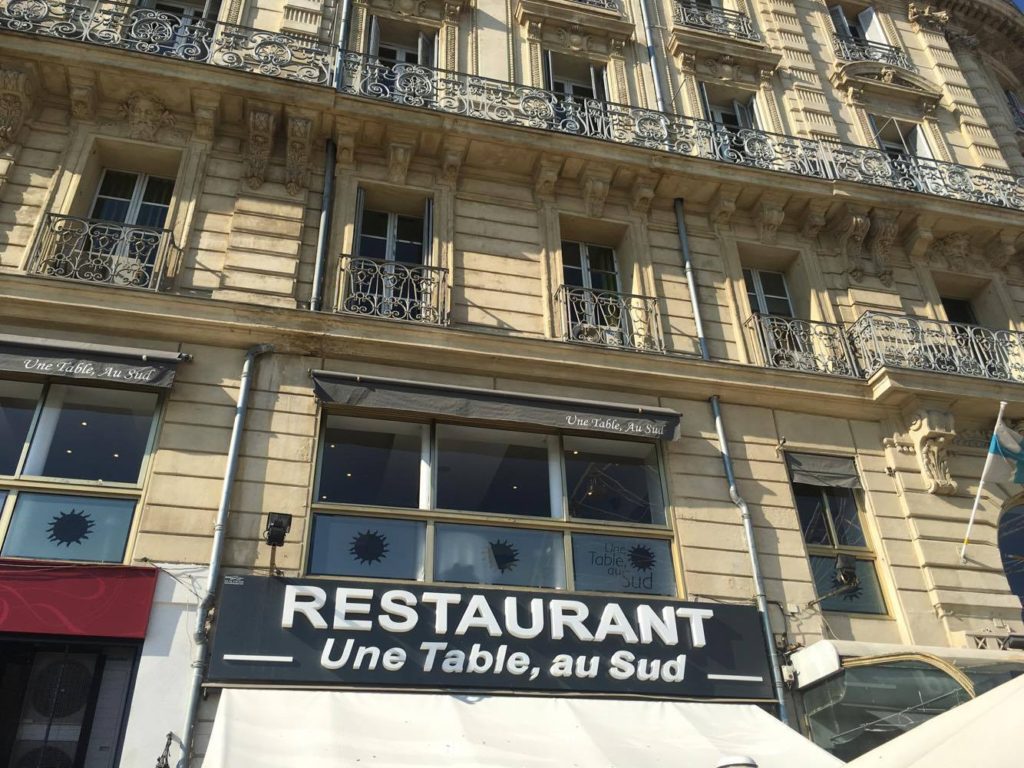
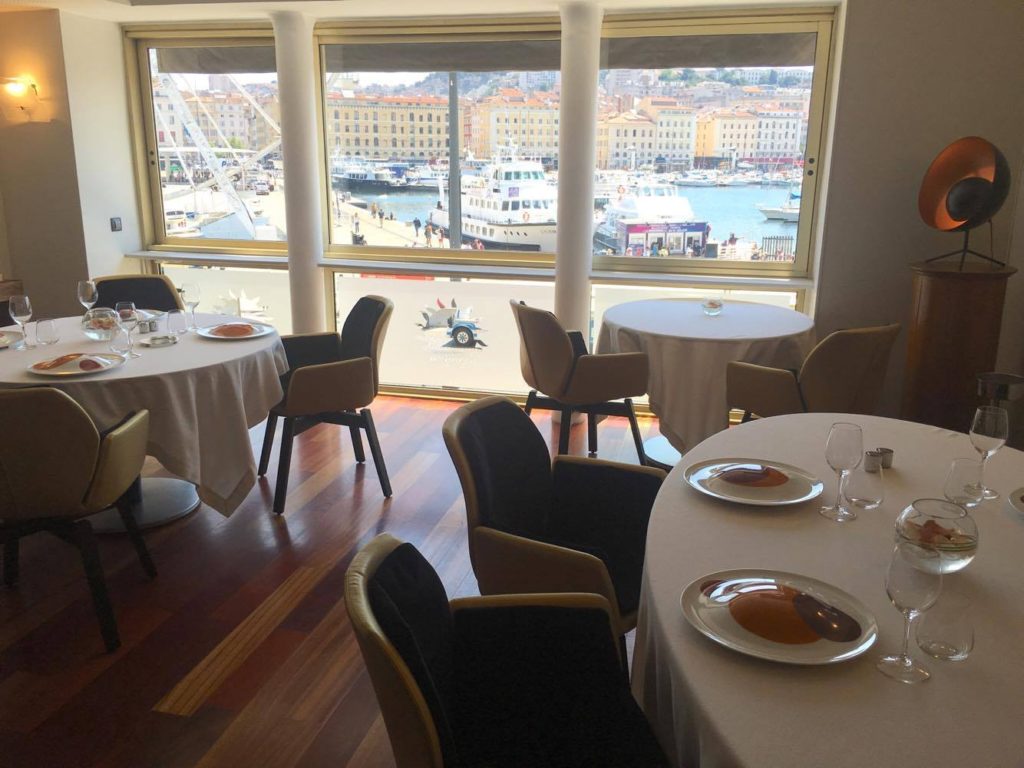
On 1st of January 2013, when Marseilles became European Capital of Culture, Ludovic and Karine Turac took over the restaurant Une Table au Sud.
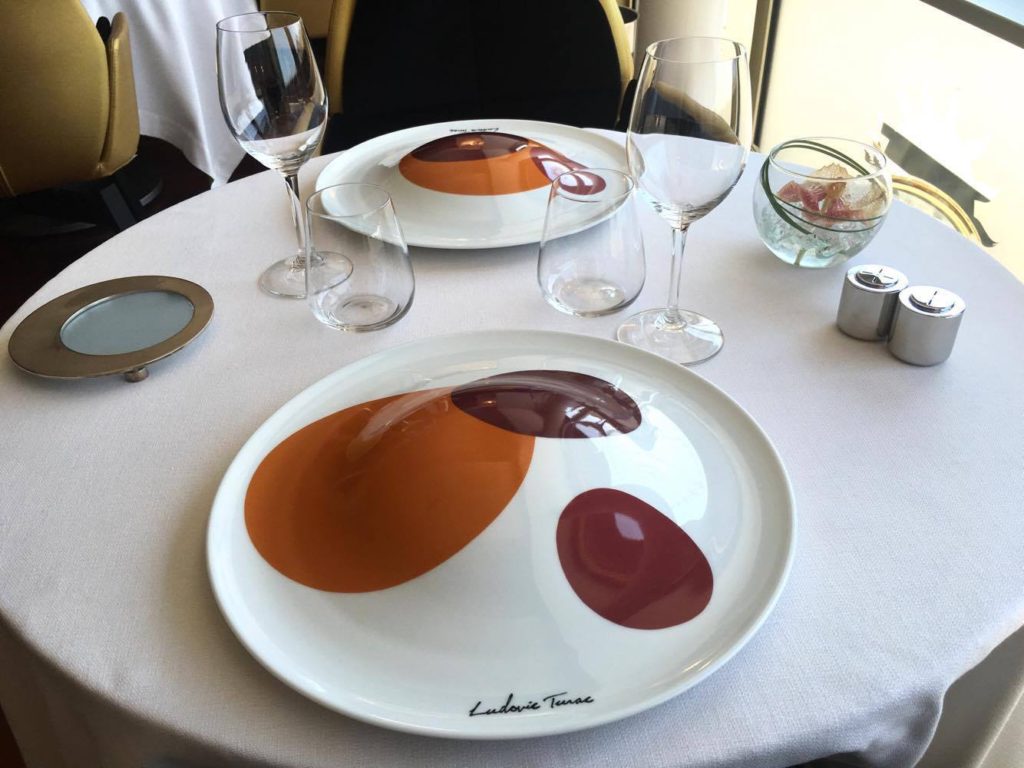
The 27-year-old Ludovic Turac from Marseille, who has made his classes between a few large Parisian tables (the Bristol and Guy Savoy, then the Hôtel du Castelet and the Top Chef 2 contest), and his wife Karine (sommelier and theater director) , hold now the colors of one of the most beautiful tables of Marseille.
A Table in the South has recently been awarded a star with the famous Michelin Guide, thus making Ludovic the youngest starred chef 2015.
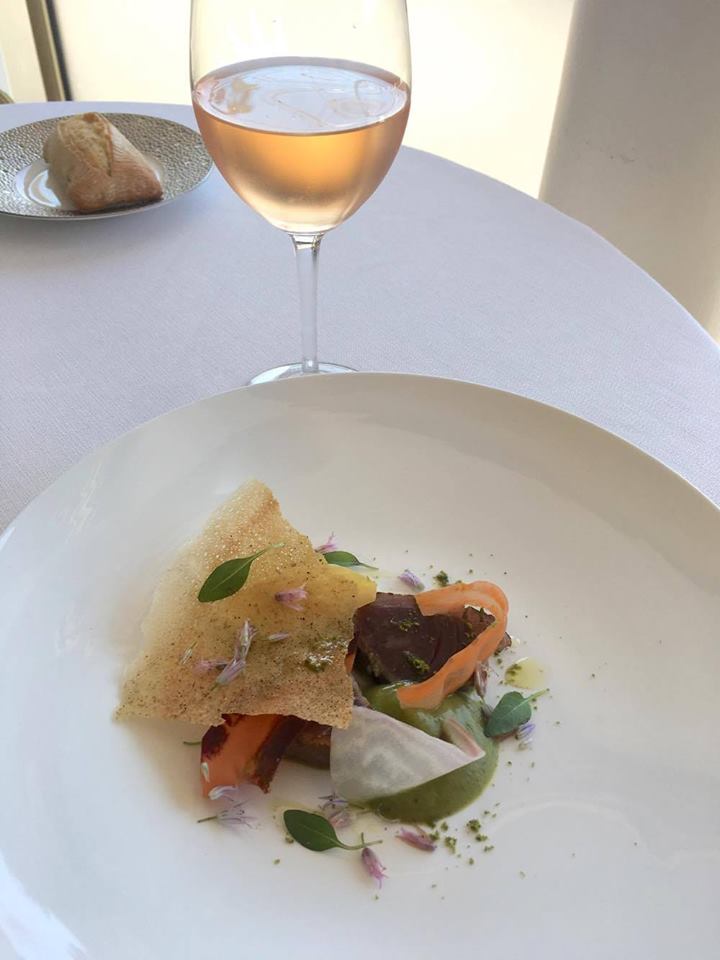
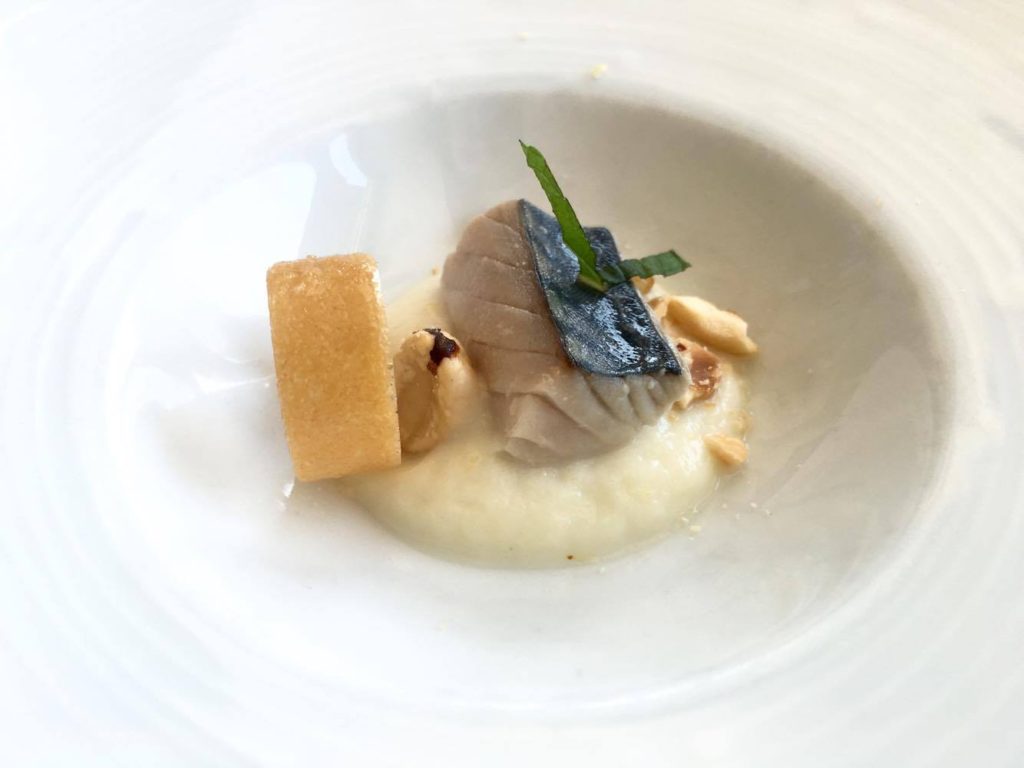
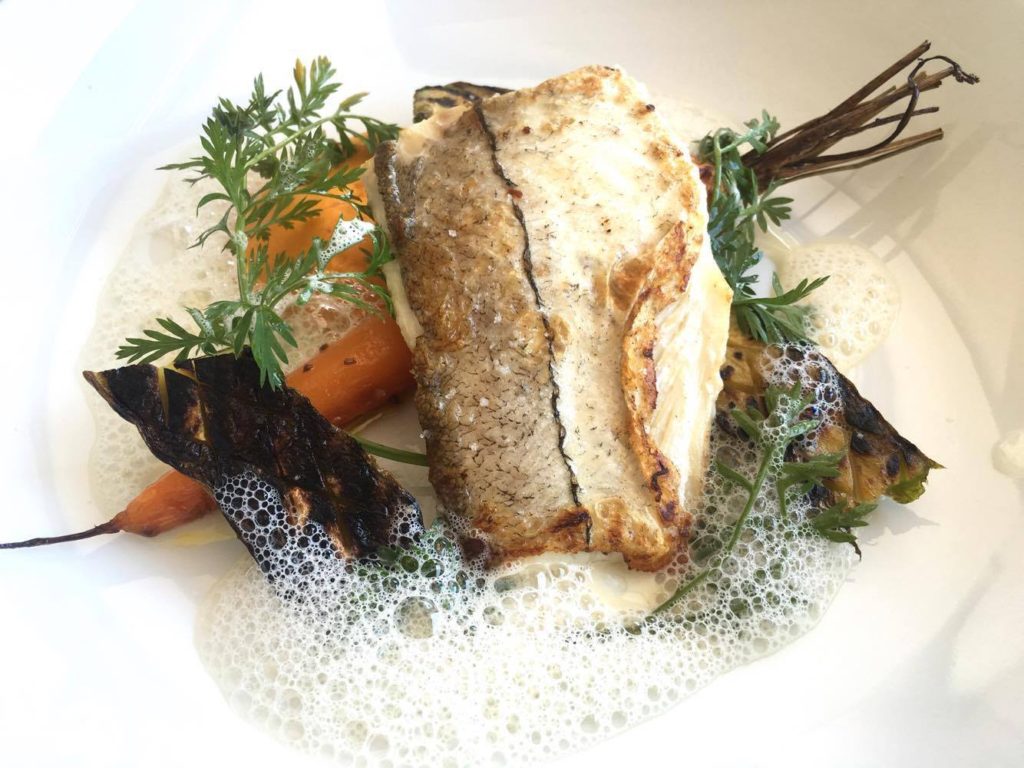
Many fish, chosen every morning on the Vieux Port, vegetables of Provence, meats of the Southern Alps and especially the love of the work well executed.
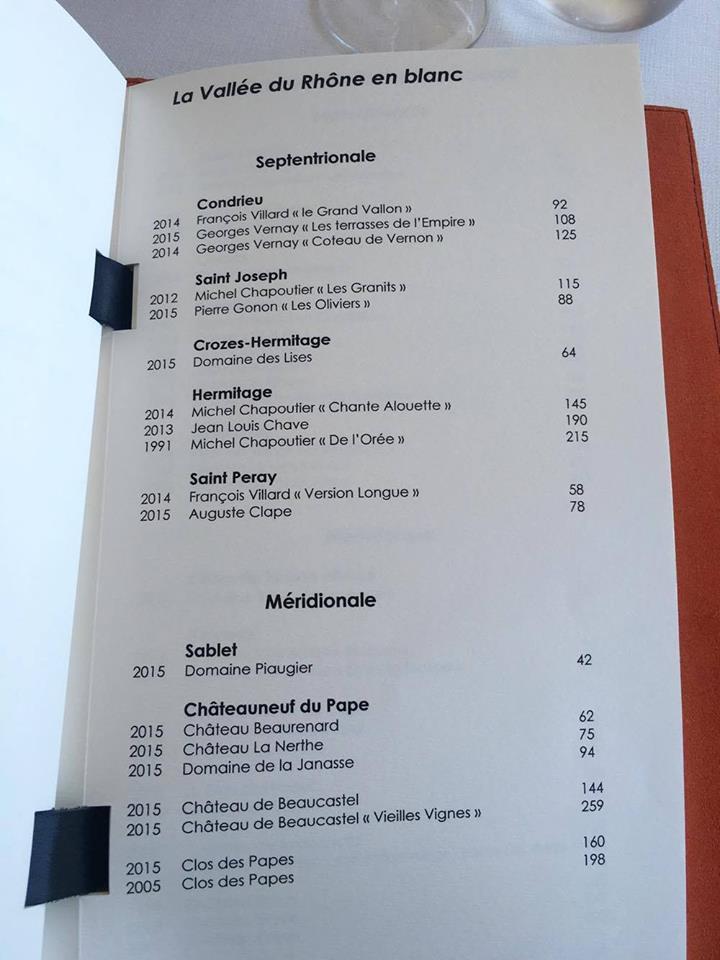
Same philosophy for Karine’s cellar. Work, the South and sobriety.
Moving away from the labels to get closer to the winemakers.
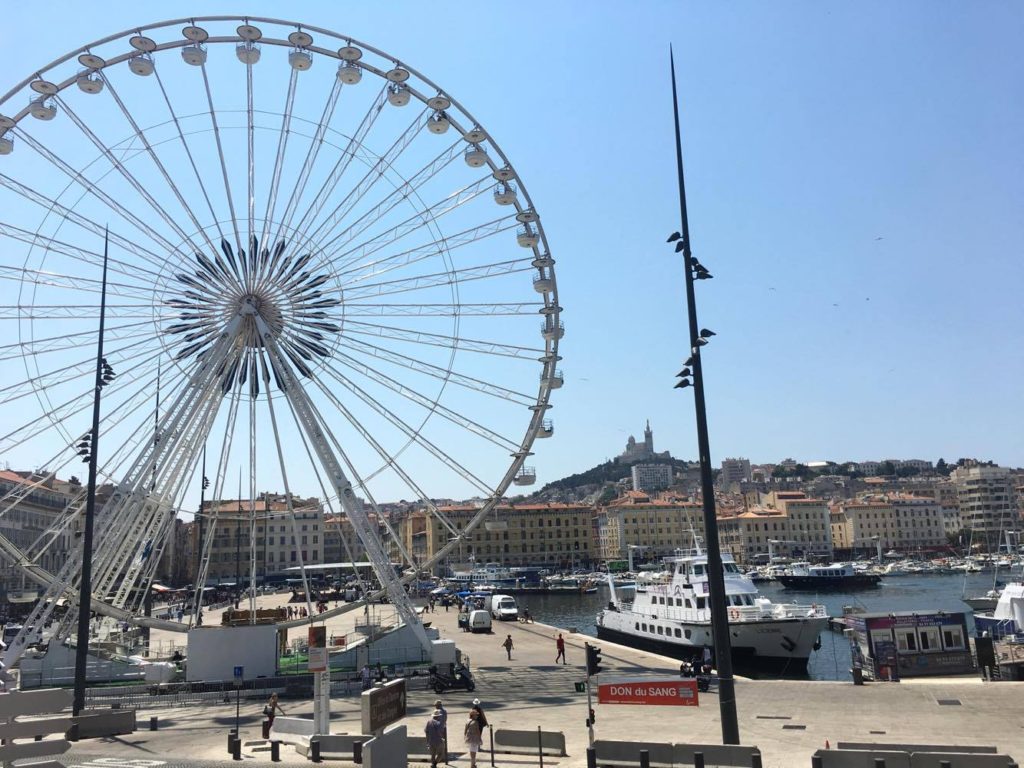
Warm welcome from Tuesday to Saturday at lunch and dinner as well as Sunday lunch under the protective eyes of the Bonne Mère (Notre Dame de la Garde) and the splendid view over the Old Port of Marseille.
Michelin Guide review:
“At the helm of this restaurant resolutely anchored in the South of France, you will find Ludovic Turac, a young chef featured on France’s ‘Top Chef’ TV show. His inventive and confident cooking artfully cultivates the spirit of the region – Provençal vegetables and locally sourced fish.”
One MICHELIN Star : “High quality cooking, worth a stop!
Using top quality ingredients, dishes with distinct flavours are carefully prepared to a consistently high standard.”
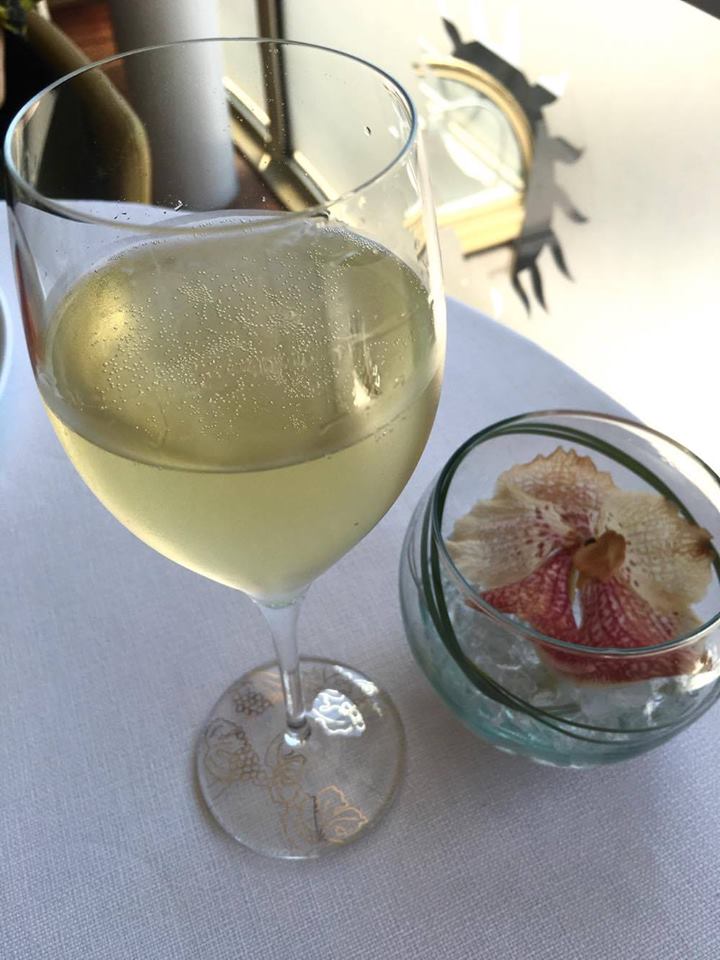
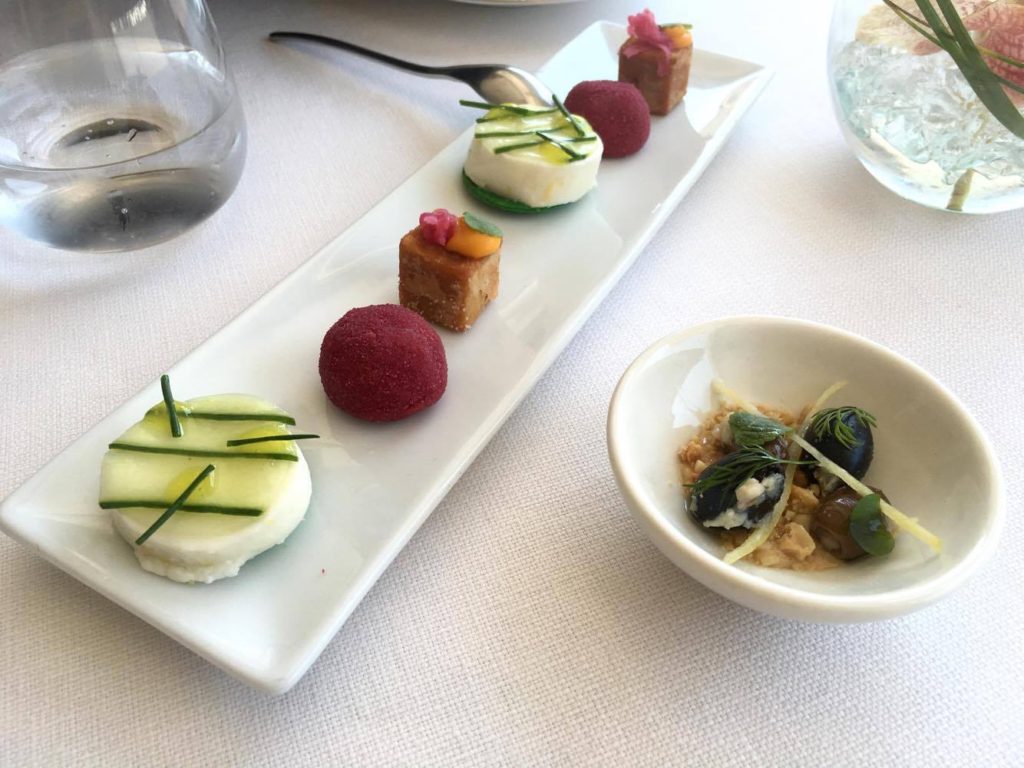
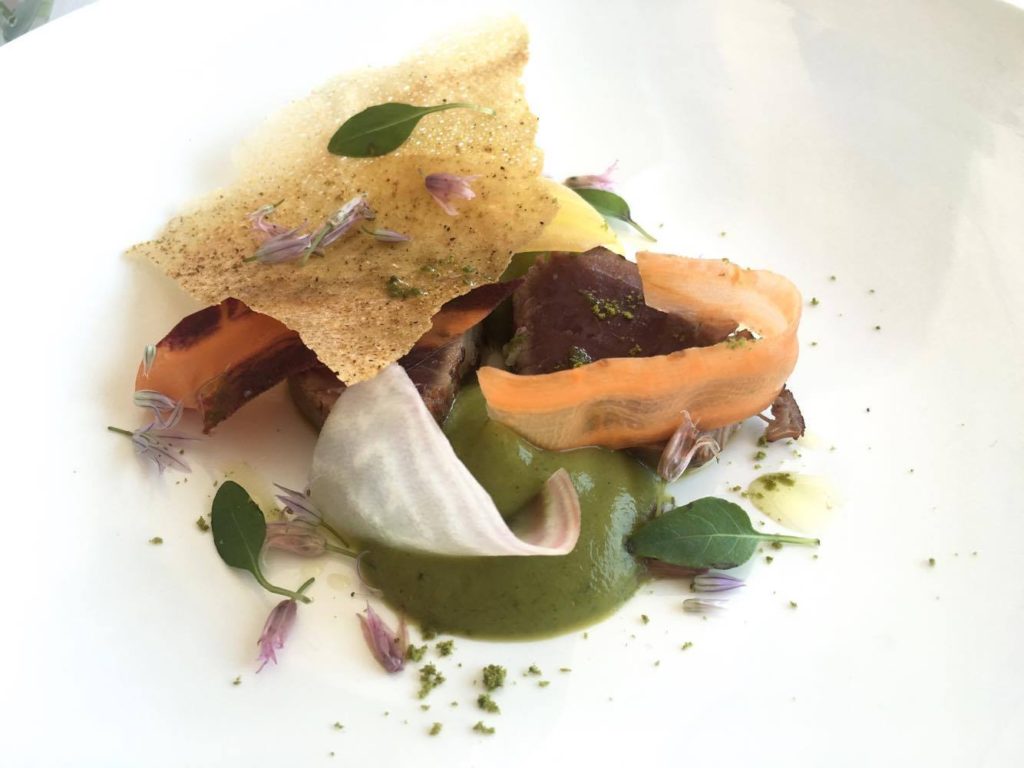
Ecomuseum of the Olive tree- Volx, Provence.2017/6/3
Ecomuseum of the Olive tree- Volx, Provence.
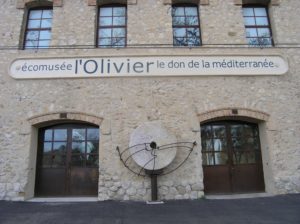
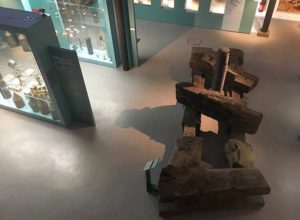
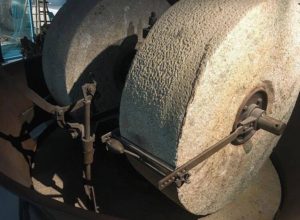
This eco-museum 10km from Manosque in Volx honours Olive tree, symbol of the Mediterranean Sea.
In the former building of Lime kilns, this ecomuseum tells the story of the Men of the olive tree.
They are born in Provence, Italy, Lebanon, Greece, Spain, Croatia, Jordan…Their history is similar, yet different every time.
Gift of sky or earth, the Olive is the tree that nourishes men and lights their houses.
The olive tree unites the three religions of the Book, for it is “neither Eastern nor Western”. It is the gift of the Mediterranean.
This museum is a place for history and recollection. It tells the story of the olive tree which, along with the grapevine and wheat, is a symbol of Mediterranean civilisation. It is an important conquest for the economy and culture of the people who ring the mediterranean.
Talking about the olive tree also means remembering and paying homage to the men and women of the olive tree who know how to approach it, look at it and help it to live.
The extension of the olive tree is linked to the establishment of the Mediterranean climate. In the Mediterranean world, the domesticated olive tree spread from the East from c.4000 BC. The oil was a precious substance produced in Palestine and transported by caravan to Mesopotamia, to Egypt of the Pharaohs, particularly to supply perfumers, doctors and embalmers.
But it was above all in Greece, where cultivation of the olive tree was extended, that olive oil established itself as a foodstuff and source of light, and where the olive tree was celebrated as the most noble of plants. Greek and Phoenician merchants took the oil to the entire Mediterranean world. In Provence, Phocaean traders (from Phocea in Turkey, which was Greek at the time) introduced the olive when they founded Massilia (Marseille) in 600BC.
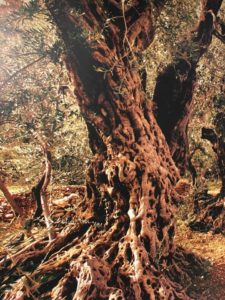
The eternal tree.
It is said that when the Persians burned the Acropolis, the olive trees sacred to Athena began to grow back as early as the following day. It is said that the tree of Roquebrune-Cap-Martin in the Maritime Alps, its trunk measuring 65 feet around its circumference, is more tahn one thousand years old. It is also said that the olive trees of the Mount of Olives, in Jerusalem, were contemporaneous with Christ.
And that there is, on the Greek island of Egine, an olive tree so old that it was alive during the reign of Constantine, the first Christian emperor(306 to 337 A.D). It is even said that the olive trees of Bchaale, in the north of Lebanon, are likely to be more than 6000 years old. It is said that the olive tree is eternal. Science remains cautious, because dendrochronology, the scientic method that uses cross sections of trunks for dating trees, isn’t applicable to the olive tree, because its rings, or growth-rings, are often split and undecipherable.
However, there is reason to believe that the olive is almost immortal because it really never dies of old age.
When it is not tented, or even when it is assailed by a frost or fire, shoots of new growth emerge again from its stump and a new tree replaces it, its genetic twin.
The life of a tree.
At ten to twelve years, the olive tree begins to bear fruit. If it receives intensive care, the first olives may appear by the end of five years, but it only becomes truly productive closer to thirty-five years. As long as the light can penetrate, as long as it is aerated, and as long as it is maintained with a good leaf/root balance, the olive remains young. So, when the grower lends it a hand, the olive tree will continue to bear fruit time and time again for thousands of years.
Ecomusée l’Olivier
https://www.ecomusee-olivier.com/
RD13, Ancienne Route de Forcalquier, 04130 Volx
04 86 68 53 15
open Tuesday to Saturday, 10am-6pm.
Silvacane Abbey- La Roque d’Anthéron. -A Cistercian example-2017/5/20
Silvacane Abbey- La Roque d’Anthéron.
-A Cistercian example-
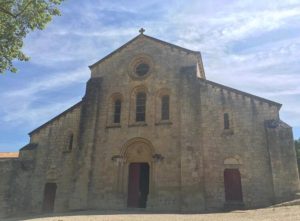
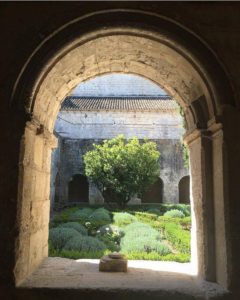
With its “sister houses”, Le Thoronet and Sénanque, Silvacane is one of the three Cistercian abbeys in provence. It was in about 1144 that monks from Morimond setled on the banks of the Durance, on a desolate and marshy site that gave its name to the monastery-Silva cana, the forest of reeds. Guillaume de la Roque and Raymond des Baux provided the first land, then the seigniorial families of the district made further gifts of land. In 1175, Bertrand des Baux undertook the construction of the church in which he was to be buried. The 12th and 13th centuries marked the spiritual and economic blossoming of the abbey, which, in 1188, in turn founded Valsainte abbey. Its decline began in the late 13th century. Foloowing the conflict, still remembered, with Montmajour abbey, Silvacane was not spared by the civil disorder, natural disasters, the Hundred Years War and the general collapse of law and order. Annexed to the cathedral chapter of Aix-en-Provence in about 1443, its status was to be reduced to that of a dependency. It became a national asset during the Revolution and was converted into an agricultural holding. The church was purchased by the state in 1845 and restored by Revoil, then Formigé, architects of historic buildings. The whole estate was acquired by the State in 1945. Recent excavations have revealed the site of its subsidiary buildings.
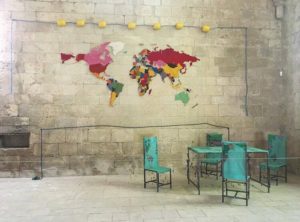
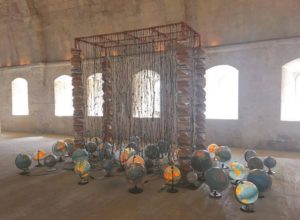
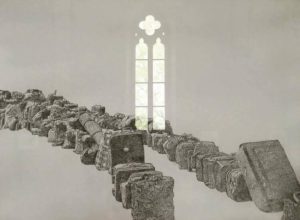
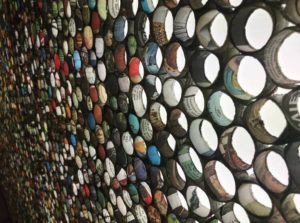
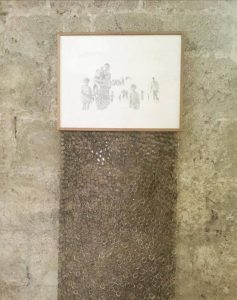
The Silvacane abbey is hosting from 15th of April until 28th of May the contemporary art exhibition, “Le Monde”, of the visual artist Jean-Baptiste Audat,
On May 20th the National Dance Ballet of Marseille will present two of its creations at the Abbey.
The town of La Roque d’Antheron is also the scene of the renowned International piano festival from July 21st to August 19th.
http://www.festival-piano.com/fr/accueil/bienvenue.html
Salagon, Musée et Jardins- Mane, Alpes de Haute-Provence2017/5/15
Salagon, Musée et Jardins- Mane, Alpes de Haute-Provence
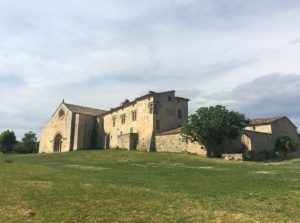
Salagon is a unique site located in Mane, near Forcalquier, in the middle of Haute-Provence and the Luberon. Made up of a priory which is a listed historical monument and 6 ha of gardens, Salagon is steeped in history, culture and know-how. The museum is managed by the Conseil départemental des Alpes de Haute-Provence.
Salagon is an ethnological Museum which introduces the general public to the links that Man has woven locally with his environment. Its collection includes objects which tell the story of rural life in Haute-Provence. Salagon is listed as an Ethnopôle (ethnocluster) for the quality of its scientific research on the “know-how of nature”.
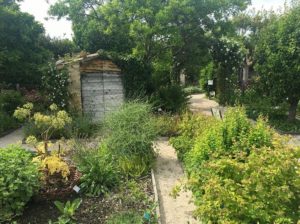
The 1700 species of plants grown in the five themed gardens of Salagon illustrate the relationships between society in Haute-Provence and its plant environment. Listed a Remarkable Garden, Salagon is an open-air manual which is an aesthetic creation, a teaching tool and a place of conservation for plants and know-how.
The popular and village plants garden
This small garden brings together the basic plants used by society in Haute-Provence, the flora of towns and villages, domestic gardens, roadsides, cultivated fields and fallow pasture. These are the plants people see on the journeys they make day to day: between the stable and the pasture, and between the house and the school or wood.
This is where people gathered first-aid remedies and also field salad leaves and other wild vegetables. This is where children built new playthings each day. This is where older people passed on their knowledge, by both showing and telling.
The medieval garden
This garden is inspired by illuminated manuscripts, treatises on agriculture and medieval pharmacopoeia. It tells the story of plants in Western Europe before the discovery of the New World.
It is laid out in three major zones: the kitchen garden (plants grown for food), medicinal squares, the floral garden and the secret garden near the fountain.
A range of cereals (rye and wheat, spelt and millets) are used to make bread, groats and porridge. Pulses are rich in protein and are an important source of nutrition.
In the medicinal squares, five beds relate to the five medieval pathology and pharmacopoeia groups from the old classifications.
After the rose pergola, flowers used to decorate the altar are grouped together in the flower garden, together with plants used in weaving and dyeing. The other side of the fountain, in the secret garden, are the highly poisonous plants, from the days when medicine and magic were inextricably linked.
The modern garden is a journey through modern flora. It helps visitors understand the origins and history of vegetables, fruit and flowers, during the period when society moved slowly from a hunter-gatherer system to agriculture. It explains the role of plants in the progress made by societies, around the basic pairings of cereals and civilisations.
Each species in the garden links a continent and civilisations to the plants that helped it grow and develop:
Europe and the Mediterranean basin (wheat, vines, olive trees, etc.)
Sub-Saharan Africa (sorghum and millets, papyrus, etc.)
Asia (rice, citrus fruits, spices, etc.)
The Americas (maize, cucurbita, beans, etc.)
The fragrance garden
This is the latest of Salagon’s gardens. The five sensory trails designed to awaken your sense of smell function all year round. To help you get the most out of the experience, pictograms are used to indicate which part of the plant produces the fragrance – leaf, flower, root, wood, sap, fruit or resin.
In the fragrance garden you can learn how to recognise odours and describe them in words, how a perfume is composed (with the three registers: top, heart and base notes) and explore the botany of scent with a wide range of aromatic plants. Meet some odours, both good and bad, from day-to-day life, with plants that smell of garlic sausage, fish, popcorn, sweets, bins, tyres and bleach.
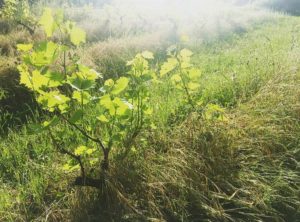
The grapevine: planted for teaching purposes, this grapevine presents about 50 grapes varieties relating to ancient or modern practices about vine in Provence.
Permanent exhibitions: Salagon, the whole story,,,
Tells you the story of the 2000 years of the priory of Salagon.
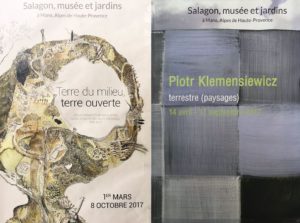
Temporary exhibitions: Terre du milieu, terre ouverte ( The middle-land, an open-land), 1st March- 8th October
Haute-Provence has been since the Middle Ages a passage between Italy and France. Even though the region was once emptied of its population, it now attracts new waves of inhabitants in a quest for a different life style.
Terrestre ( Terrestrial- landscapes): art works by Piotr Klemensiewicz, 14th April- 17th September
Le prieuré 04300 Mane
Phone : +33 (0)4 92 75 70 50
February/March/April 10am-6pm
May>September 10am-7pm
October/15 December 10am-6pm