






Le Mole Passedat Restaurant: les aperos du Mole-MuCEM, Marseille.2017/11/29
Le Mole Passedat Restaurant: les aperos du Mole-MuCEM, Marseille.
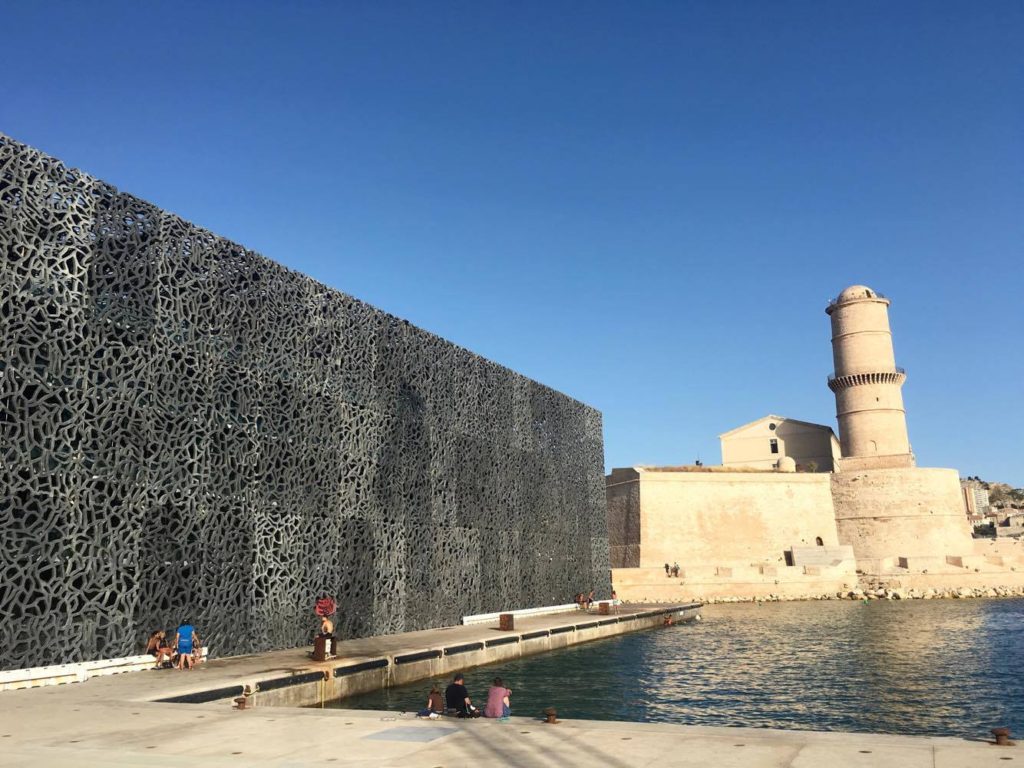

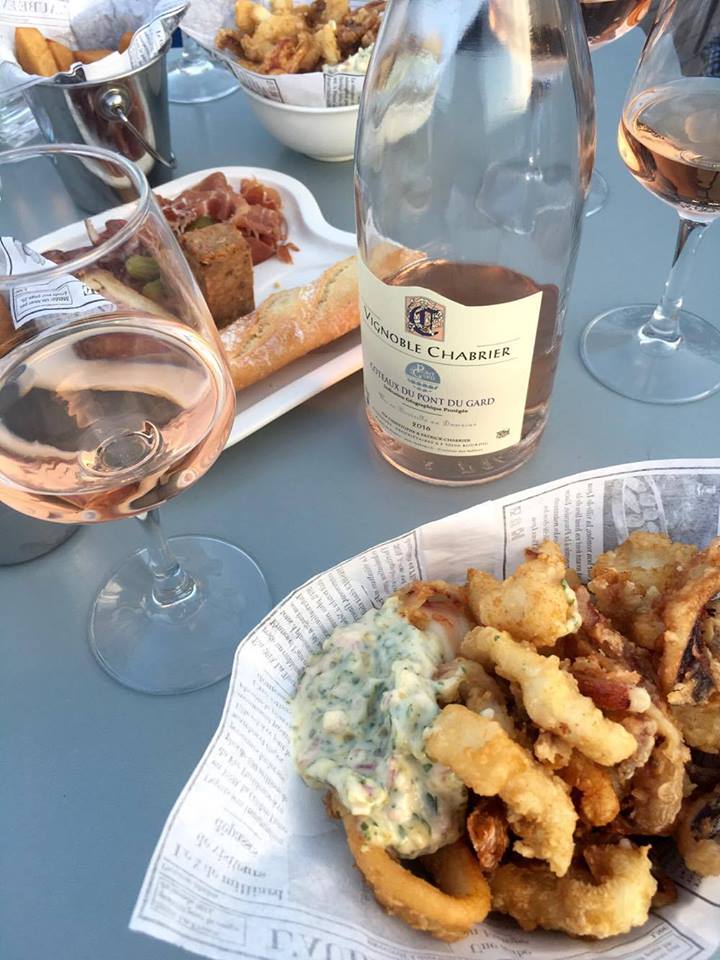
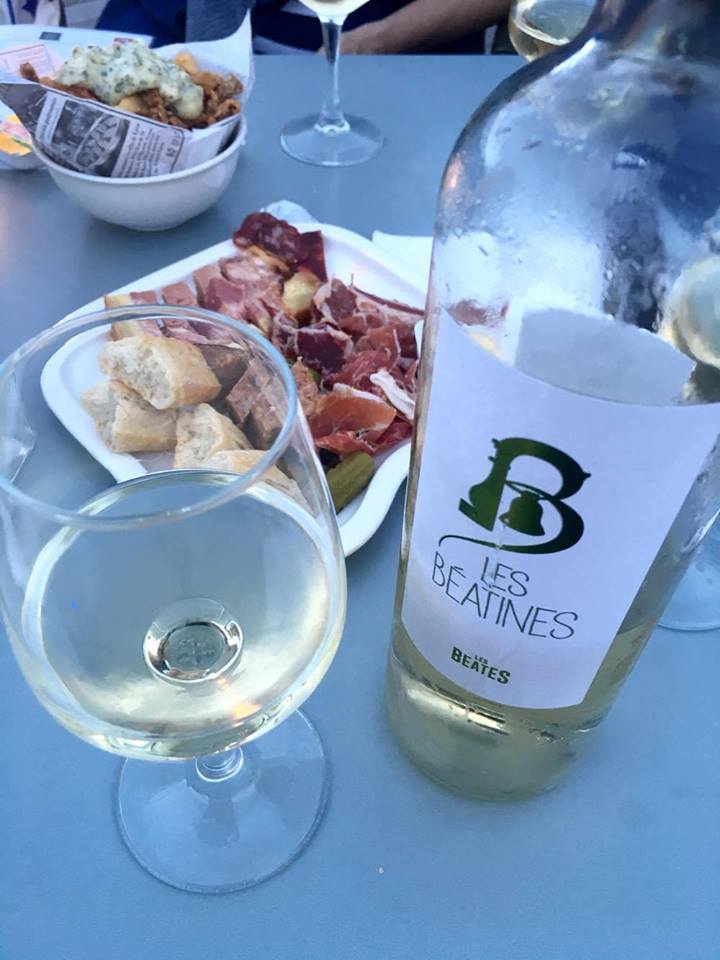
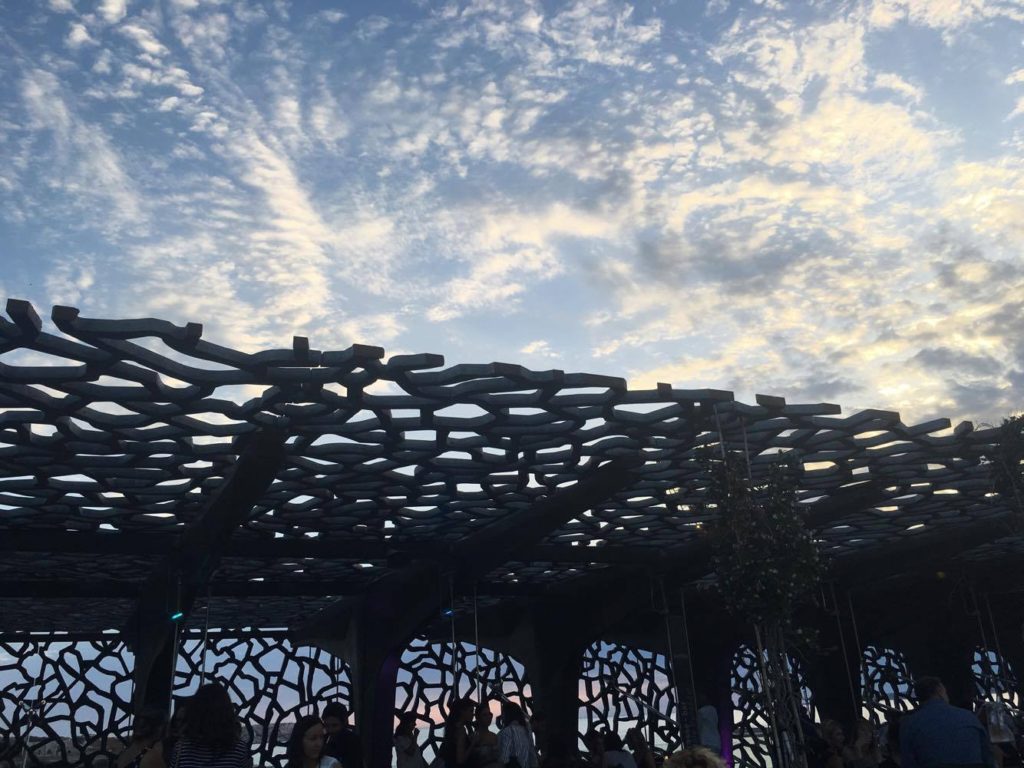
Perched on the roof of the MuCEM, Le Mole Passedat offers an unbeatable view of the Mediterranean and Marseille Cathedral La Major.
Cuisine and culture according to Gerald Passedat-
Le Petit Nice’s three star chef, Gerald Passedat, wanted to partner with the MuCEM because food is an integral part of Mediterranean culture.
To create Le Mole Passedat, the chef devised multiple spaces dedicated to its discovery: a restaurant with a panoramic view and a terrace on which to savour his cuisine, a bistro serving its own variations on mezze, food stands serving quick and tasty bites, a cafe at Fort Saint-Jean for traditional cuisine, a cooking school and a Mediterranean kitchen garden. Varied culinary offerings are preserving the spirit of the chef’s cuisine:
– Mediterranean cuisines
– Seasonal produce
– An immense flavour palette to discover
Les aperos du Mole will be held every thursdy of June and July on the terrasse of the restaurant. Selection of Tapas, dj set, from 8:00pm.
Booking essential 0033491191781
The MuCEM-
In Marseille, the Mucem stands out as a great museum dedicated to the Mediterranean.
What makes the Mucem so unique is that it recounts, analyses and sheds light on the ancient foundations of this cradle of civilization and the tensions running through it since that time, all in the same place and with the same passion. Also that it is a platform for discussions about Mediterranean issues.
Both its exhibitions and its cultural programmes offer a multidisciplinary vision that combines anthropology, history, archaeology, art history and contemporary art to show the public the multiple facets of the Mediterranean world and its ongoing dialogue with Europe.
Its roots:
As the first museum devoted to Mediterranean cultures, the Mucem is a completely novel structure. The product of the metamorphosis of a major societal museum – the Museum of Popular Arts and Traditions, created in Paris in 1937 –, it represents the first real conversion of a museum from national to regional. The Mucem Museum of the Civilizations of Europe and the Mediterranean opened in Marseille in June 2013. By the following year, it had joined the ranks of the 50 most visited museums in the world.
The Mucem encompasses three sites. Along the sea, at the entrance to the Old Port, the J4 building (Rudy Ricciotti’s and Roland Carta’s symbolic architectural creation) and the Fort Saint-Jean, a fully restored historical monument, are the perfect embodiment, with their two footbridges, of the idea of building a connection between both shores of the Mediterranean. They host major exhibitions and artistic and cultural programming events. In town, in the Belle de Mai district, the CCR Centre for Conservation and Resources houses the museum’s collections. This unique grouping allows the MuCEM to offer a multitude of cultural activities.
The Mucem is interested in the contemporary aspects of European and Mediterranean civilizations. Its collections include more than 350,000 objects, as well as a large assortment of documents, comprising a total of a million works of art, documents and objects, an extraordinary treasure trove that is promoted by means of an ambitious programme of permanent and temporary exhibitions.
The 21st century museum aims to be a real cultural centre covering a vast swath of history, making use of all the disciplines of the humanities and social sciences and displaying artistic expressions from both shores of the Mediterranean.
A Mediterranean crossroads:
The museum’s goal is to promote Mediterranean heritage, take part in the creation of new exchanges in the region and, during this period of profound upheaval, help to lay the foundations for the Mediterranean world of tomorrow. In Marseille, the Mucem is a place where, on both a national and an international scale, people can come to gain a better understanding of the Mediterranean.
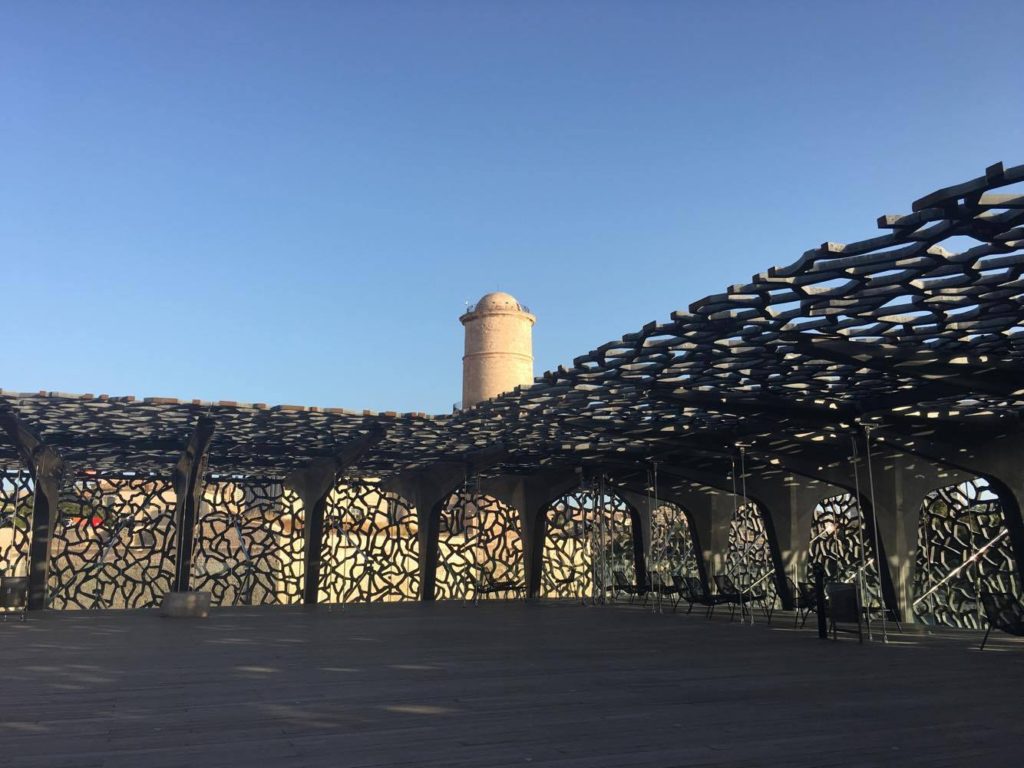
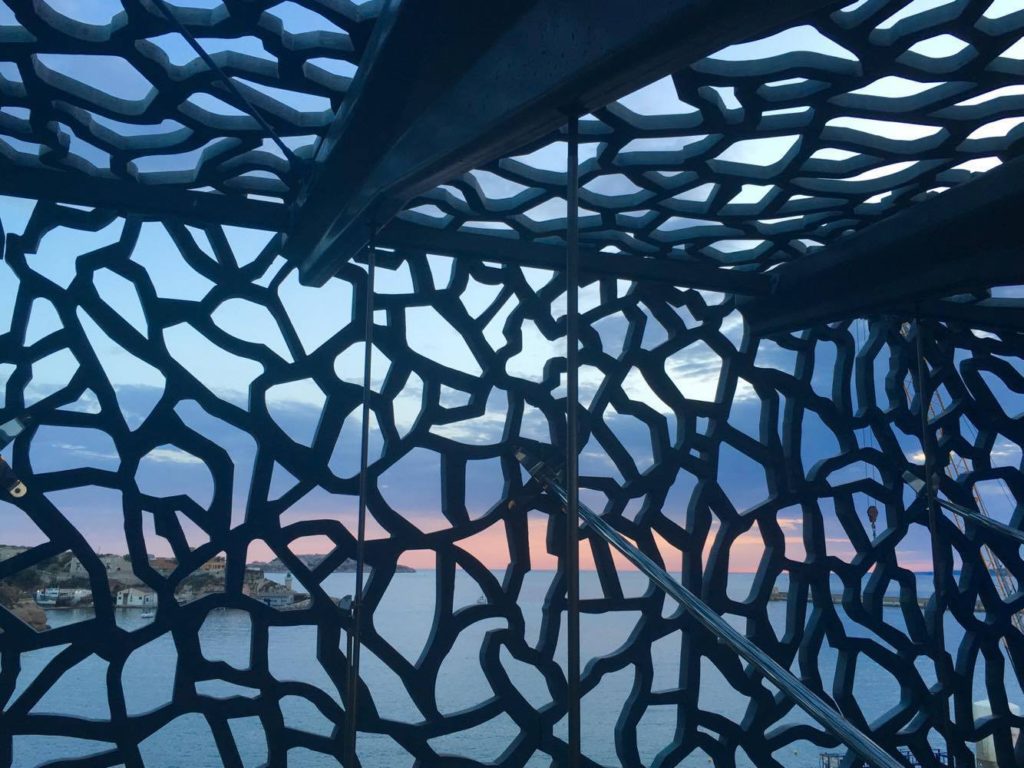
Adress:
MuCEM
7 Prom. Robert Laffont, 13002 Marseille
本日営業 · 10時00分~22時00分
LeMole Passedat
1 Esplanade du J4, 13002 Marseille
本日営業 · 12時15分~14時30分, 19時30分~22時30分
Provence reds: know your vintages2017/11/21
Provence reds: know your vintages
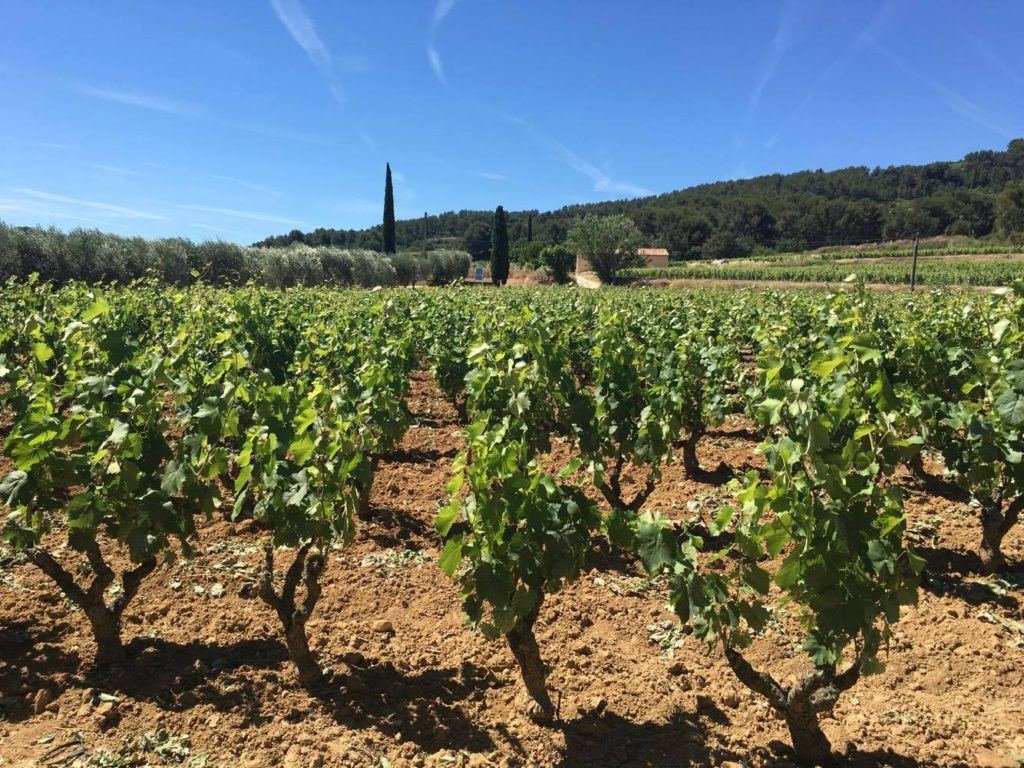
2016: A smaller vintage than the two preceding years, but well balanced with fresh fruit. Looks promising.
2015: Quality is exceptional; Bandol reds oustanding. Volumes a little down.
2014: Quality better than growers feared, after a cooler than usual summer and storms.
2013: A cool, slow spring, warm summer and severe hail storms. Good vintage for fresh, delicate whites and roses, but reds are light to mid-weight, largely not for long storage.
2012: Fresh, elegant roses. Concentrated whites with marked acidity, best will keep. Restrained, balanced reds, Coteaux Varois Syrah stands out. Volumes down by 20%.
2011: Elegant roses, well-defined reds, especially Coteaux Varois&d’Aix. Bandol successful, structured; best will need cellaring.
Decanter magazine, September 2017.
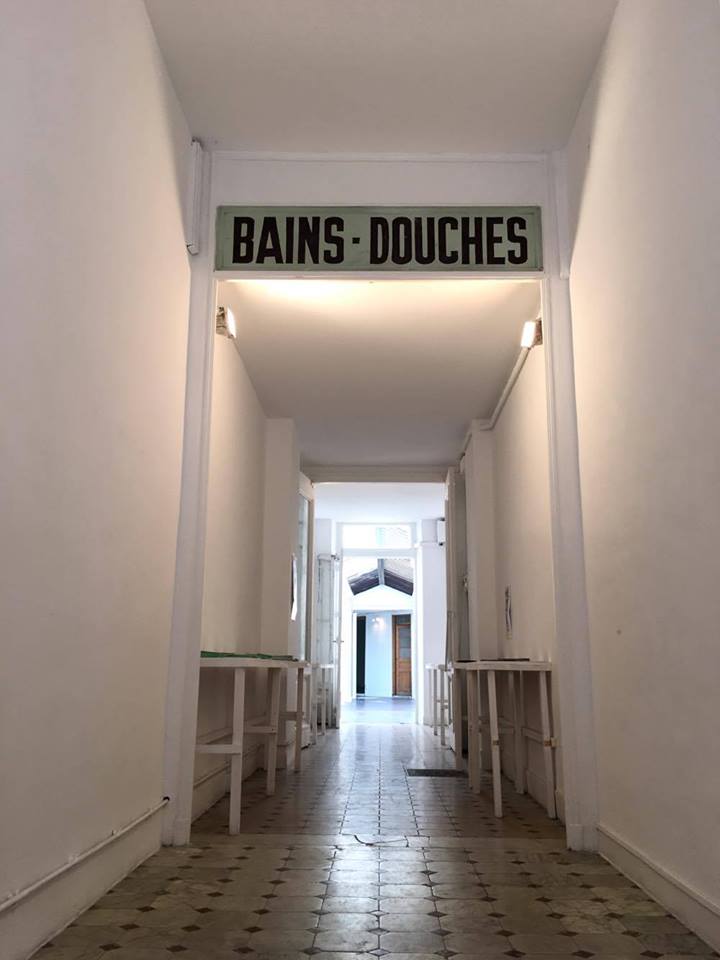
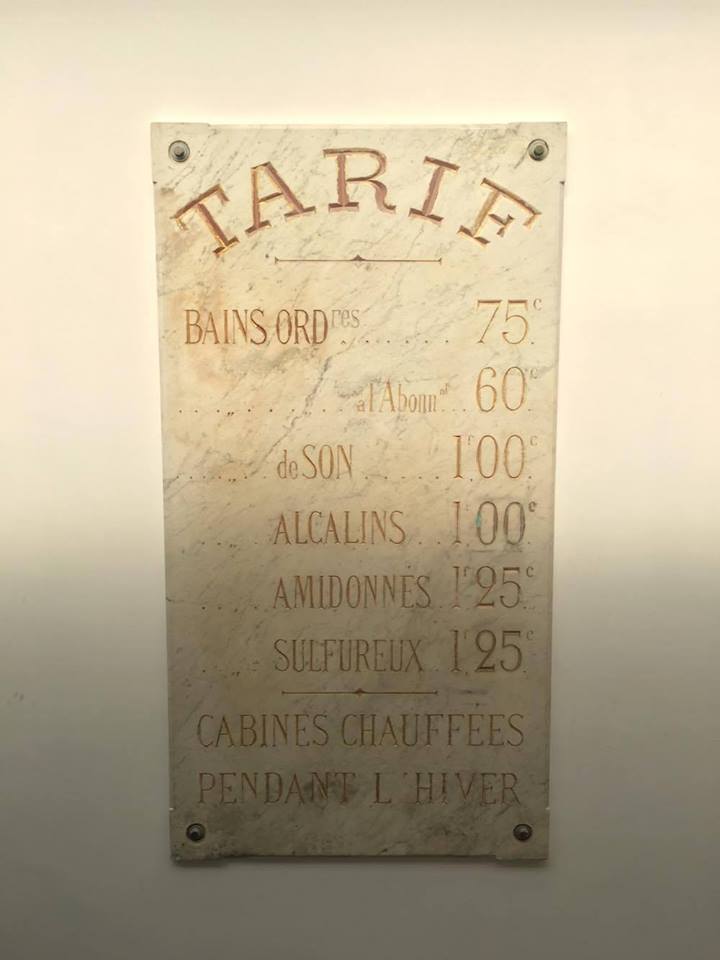
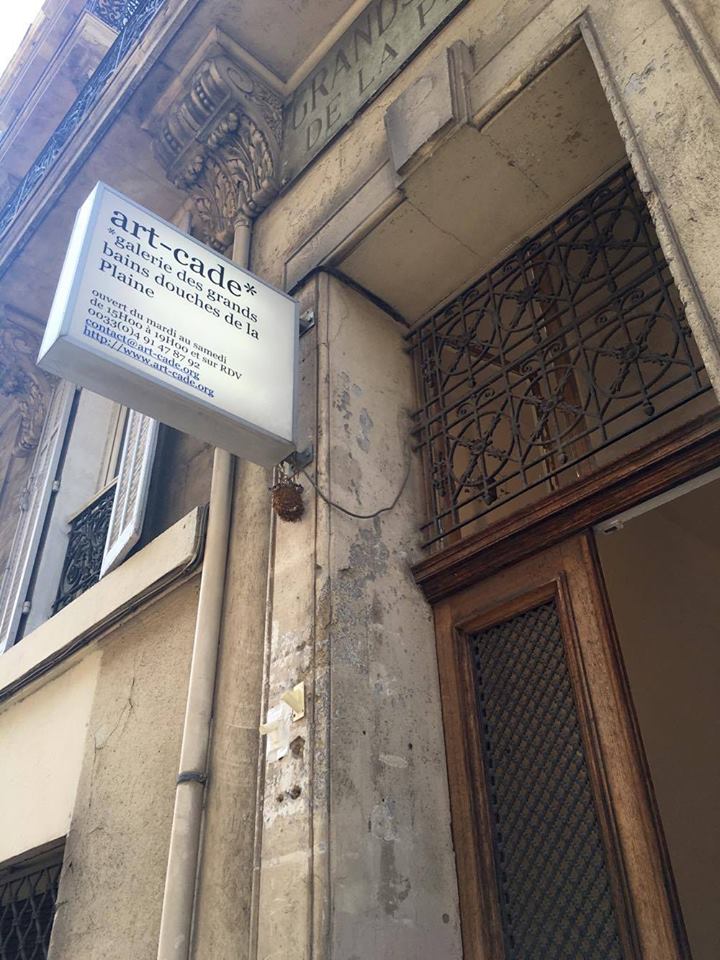
Art-Cade Gallery, Marseille-Former bath house “Les grands bains douches de la Plaine”2017/11/20
Art-Cade Gallery, Marseille-Former bath house “Les grands bains douches de la Plaine”
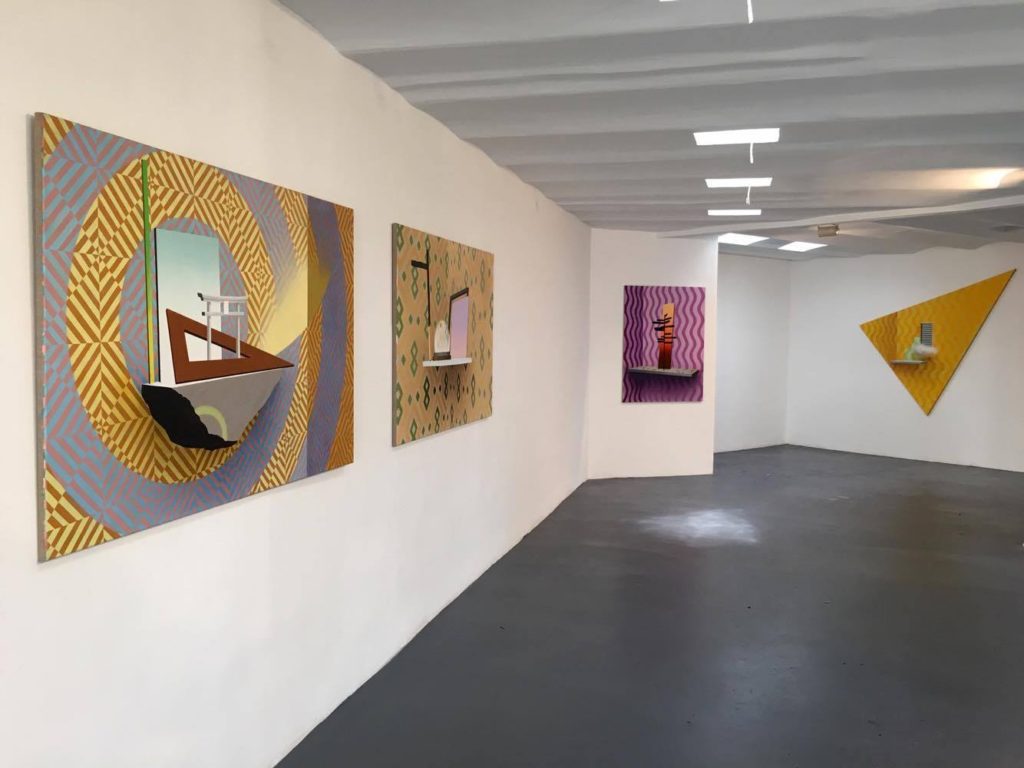
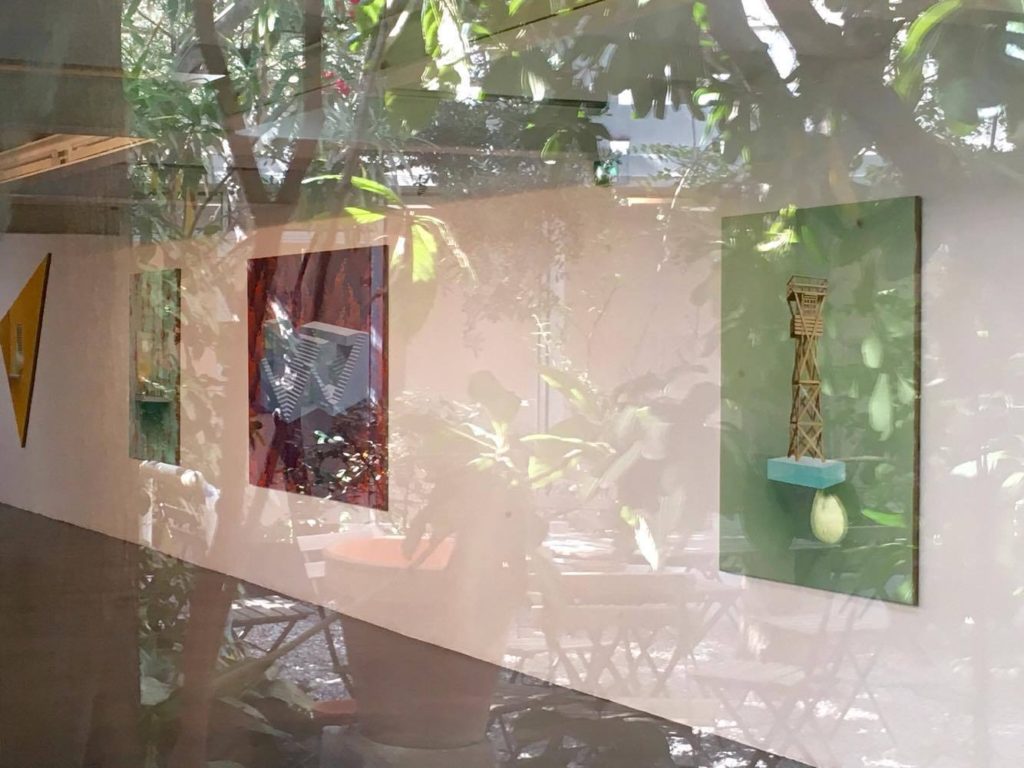
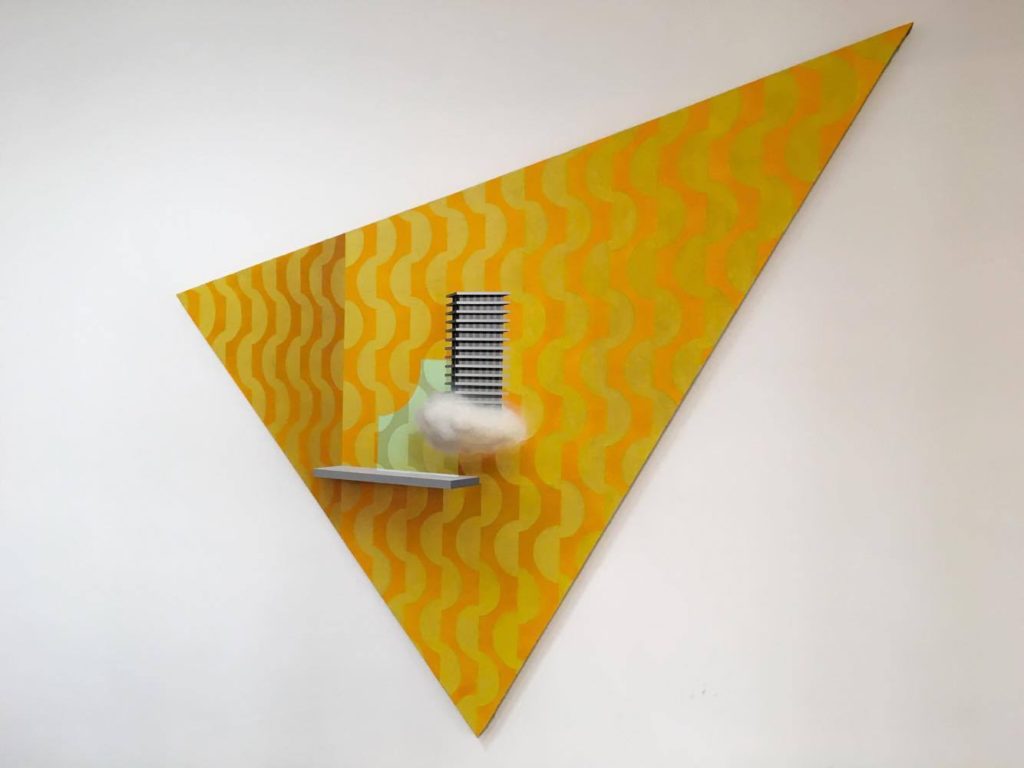
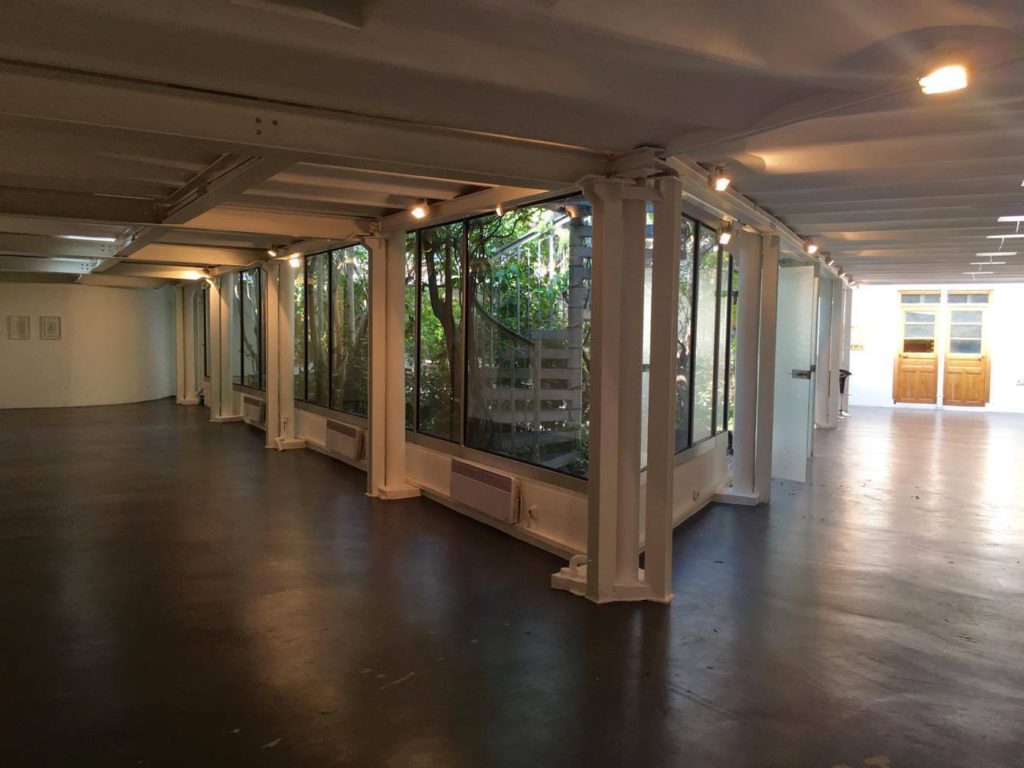
The ART-CADE Association was founded by Anee-Marie Pecheur and Jean Baptiste Audat in 1993 and is located at the very heart of the city of Marseille. It is a place where people can meet, exchange and experiment on the theme of art exhibitions and various cultural events. This former public baths’ establishment has now become a well-recognized exhibition center and year after year hosts projects of emerging and established artists.
Art Cade is a non-profit organisation which conducts an overall project in its very special location, bringing into play contemporary works of art that call into question the very process of creation.
Being situated in the city of Marseille signifies a deep involvement of the Association with young artists, and makes it possible to offer an open space, encourage encounters and develop a place for critique. Since its foundation in 1993, Art cade has brought together guest artists from different countries.
The artists who founded the Association intended to set up an active platform, stating modernity composed of various currents and different worlds.
The challenge has been successful over the past twenty years: music, performances, readings, culinary art, exhibitions, urban walks, exhibition beyond the city walls(Archist nomadic galleries), all disciplines: photo, video, pinting, intallation…
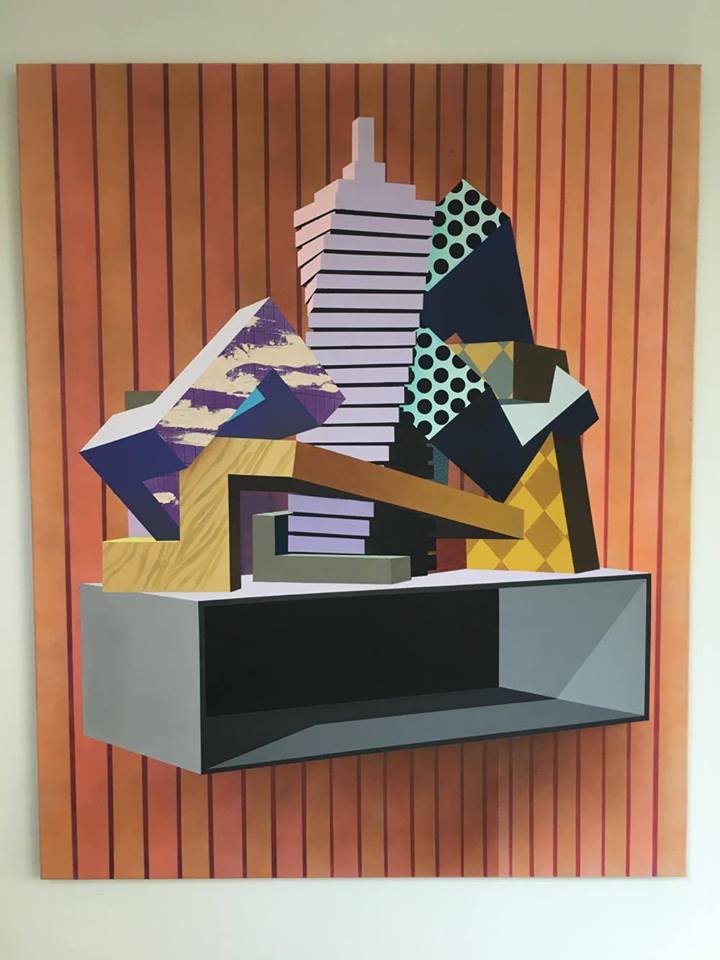
On view now: Sepand Danesh.
The researches of French-Iranian artist Sepand danesh are gathered in a world of silences where each gesture and each detail offer us a free reading. Every work confesses the evidence of a loneliness that is not imposed but ruled by the own history of the artist, whose family fled Iran after many years of war. Fed with a brand new french culture, and a new language he had to learn through books, Sepand Danesh applied himself to play with his double identity. From the references to the famous French writers to the notions of occidental iconography, he does not put aside the memories of Iranian life during the time of the last Chah. A work and a method lengthily considered determine the series of the paintings where the corner is the main theme. The corner illustrates the child punishment but also the inability to move forward. It is a place to commune with yourself, set or not. Some carefully thought iconographic elements nourish these vertical heights and suggest a very different interpretation to each work.
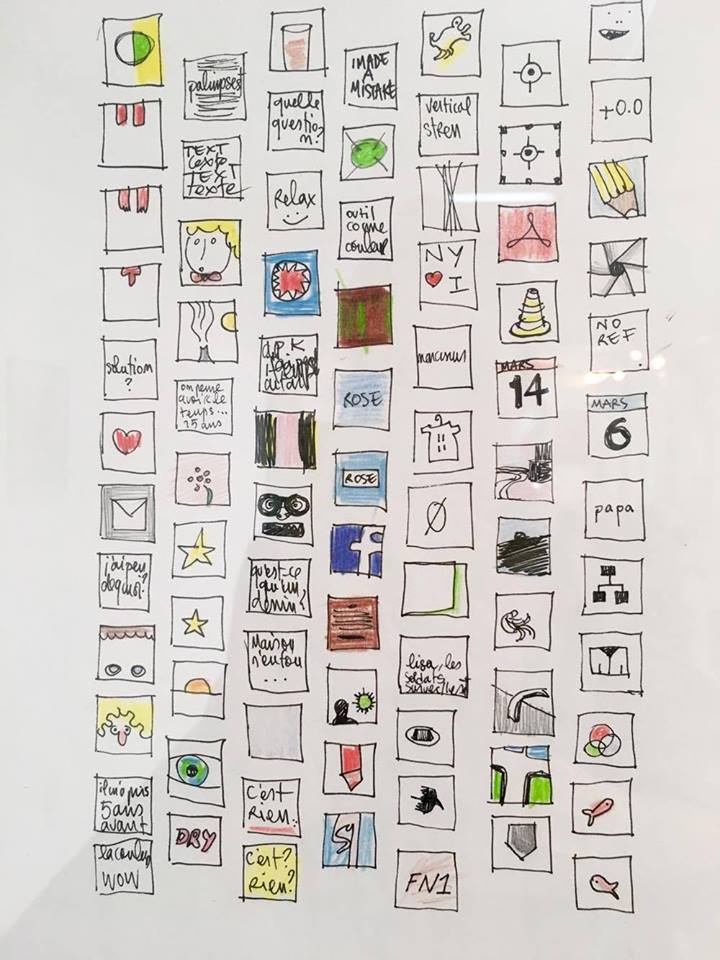
Finally, a series of little drawings realized day after day, for years, allow the artist to put ideas on a page, to tell his story and to remember-essential action for the one who escaped and had to readjust himself to a new culture.
Art Cade Gallery
35 Rue de la Bibliothèque, 13001 Marseille
本日営業 · 15時00分~19時00分
+33 4 91 47 87 92
Poulpe,Octopus,Tako,Cephalopode- The story of a famous Provence dish-2017/11/16
Poulpe,Octopus,Tako,Cephalopode- The story of a famous Provence dish-
Where does the name ‘poulpe’ come from? At the beginning of the sixteenth century, this word meant a polyp of the nose (stern), so nothing to do with an octopode! But … shortly after, the word was taken up in zoology, according to Provençal ancient “poupre”, from the Latin “polypus”. The word “pieuvre” also comes from the Latin polypus. It is a more recent word than ‘poulpe’. It is Victor Hugo who introduced it in the French language (see his novel ‘Workers of the sea’), the word being borrowed from the vocabulary of Anglo-Norman islands fishermen (Guernsey in particular).
Phoenicians use octopus in art, for the Greeks it is a symbol of ruse, they also discovered the tincture “pourpre”.
There may be a link between the Kraken, the creature of Poseidon and Perseus, who kills him after cutting off the head of the gorgon Medusa. Medusa being assured of her immortality, by the lightning of her eyes. Perseus won the battle with his shield and sword.
Back to the scents of the kitchen!
It’s very common for a foreigner in Japan to be asked if they eat octopus in their homeland.
Looking closely in the plates of South of France you will find many ways to eat it!
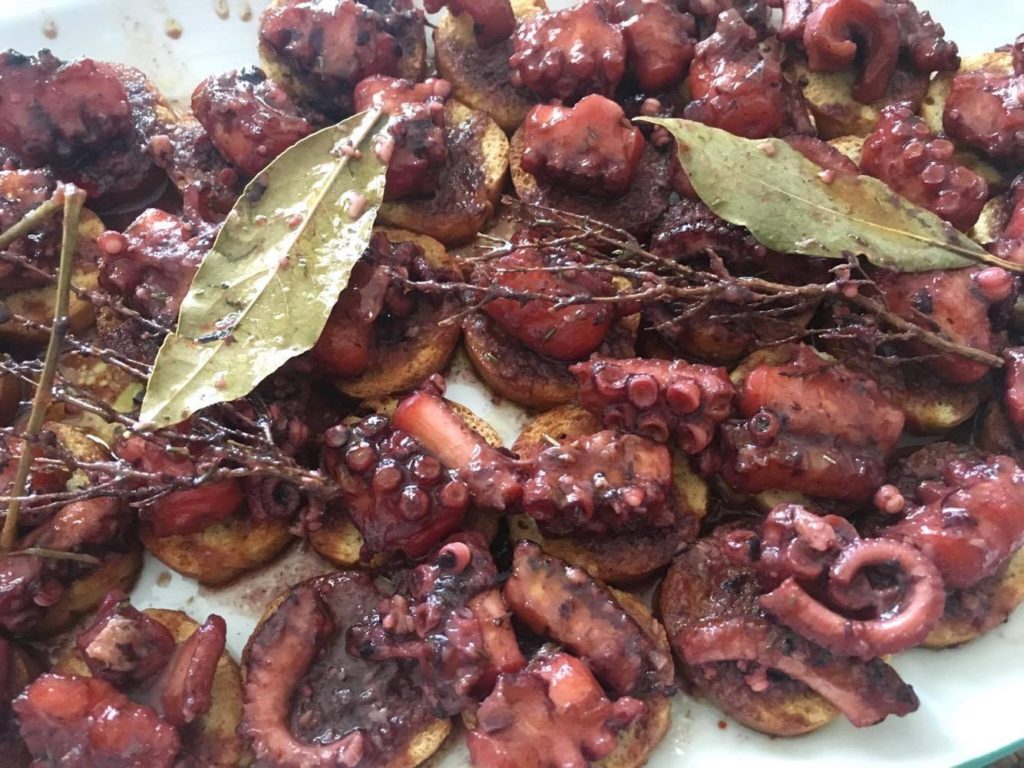
Octopus salad, “Daube de poulpe”(octopus stew), grilled. Seasoned with garlic, parsley, wine..
But what’s best than a grandma recipe!
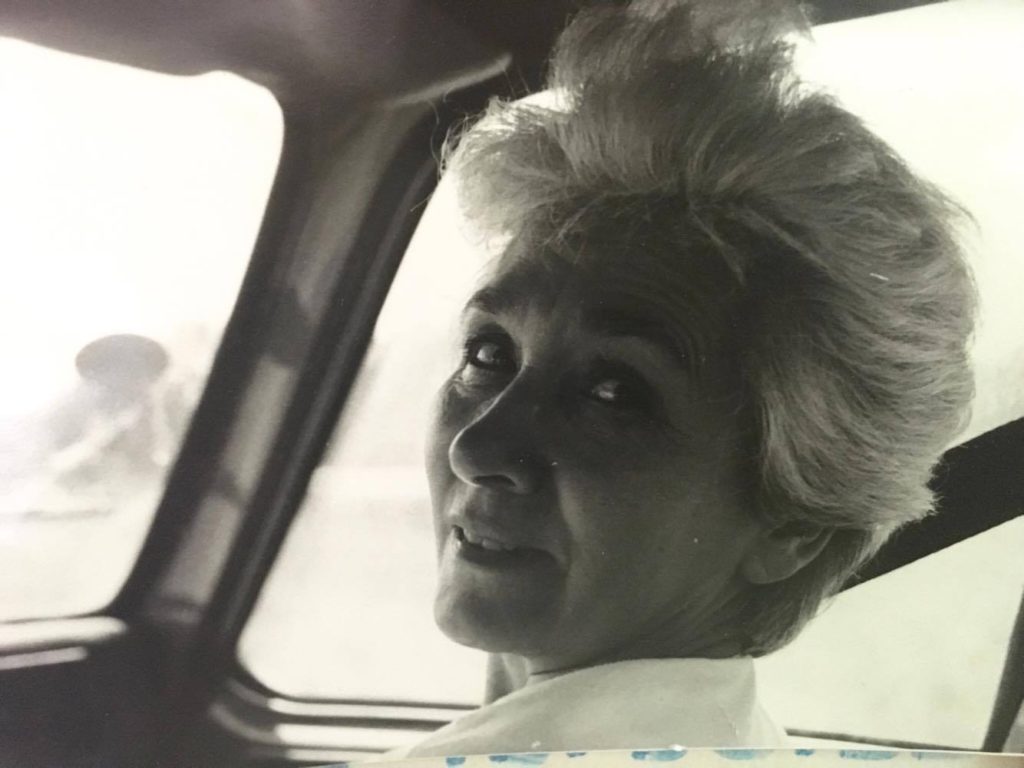
Here is Jo’s recipe, italian from Piemonte who came to live with her family in Provence when she was 6.
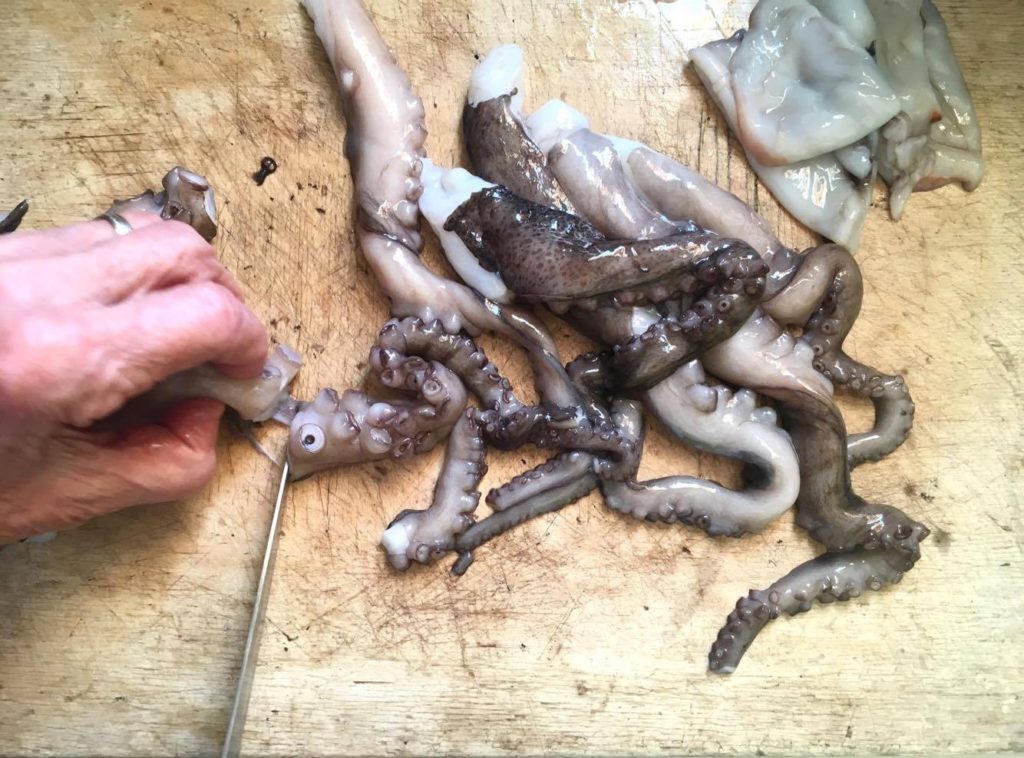
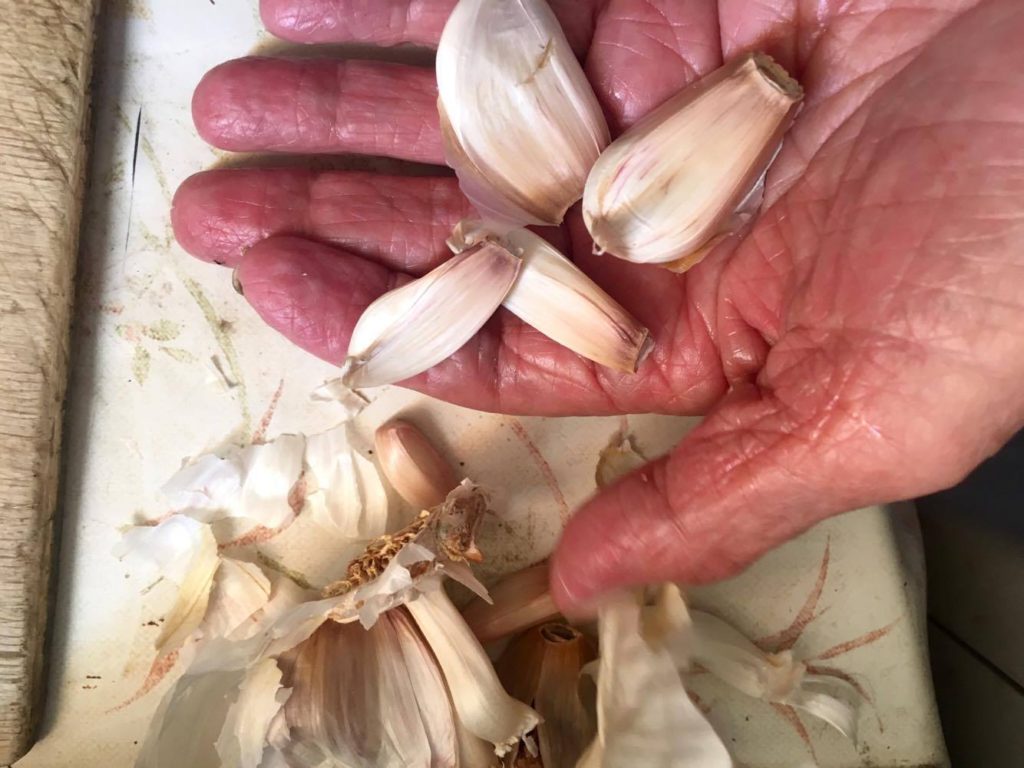
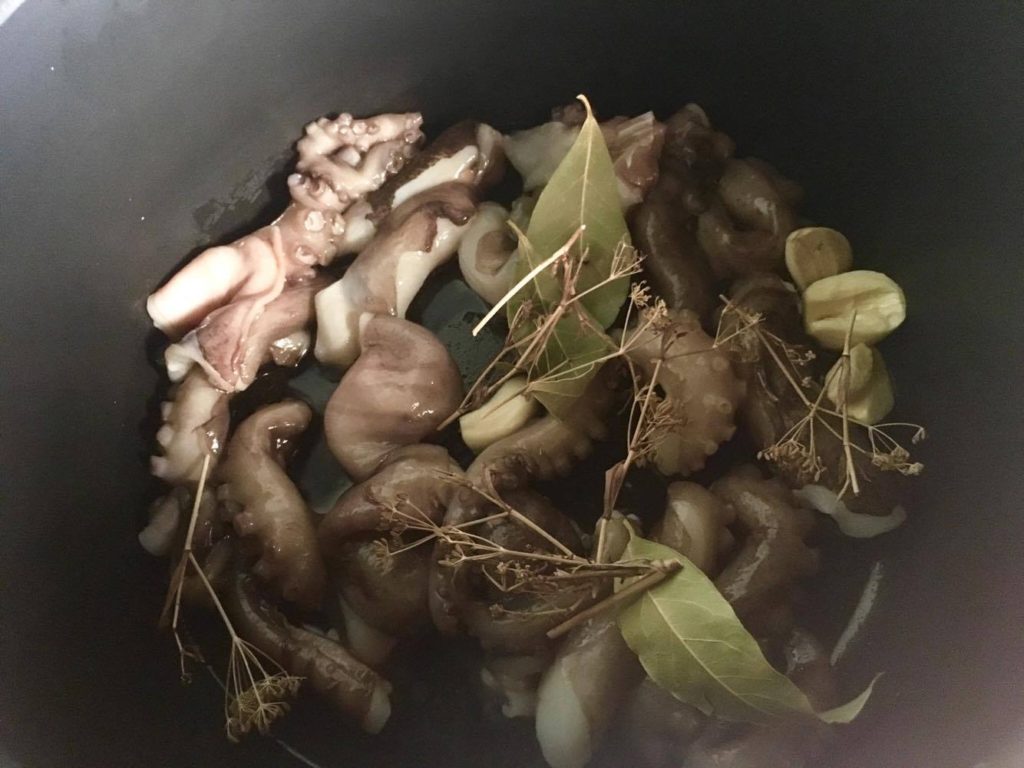
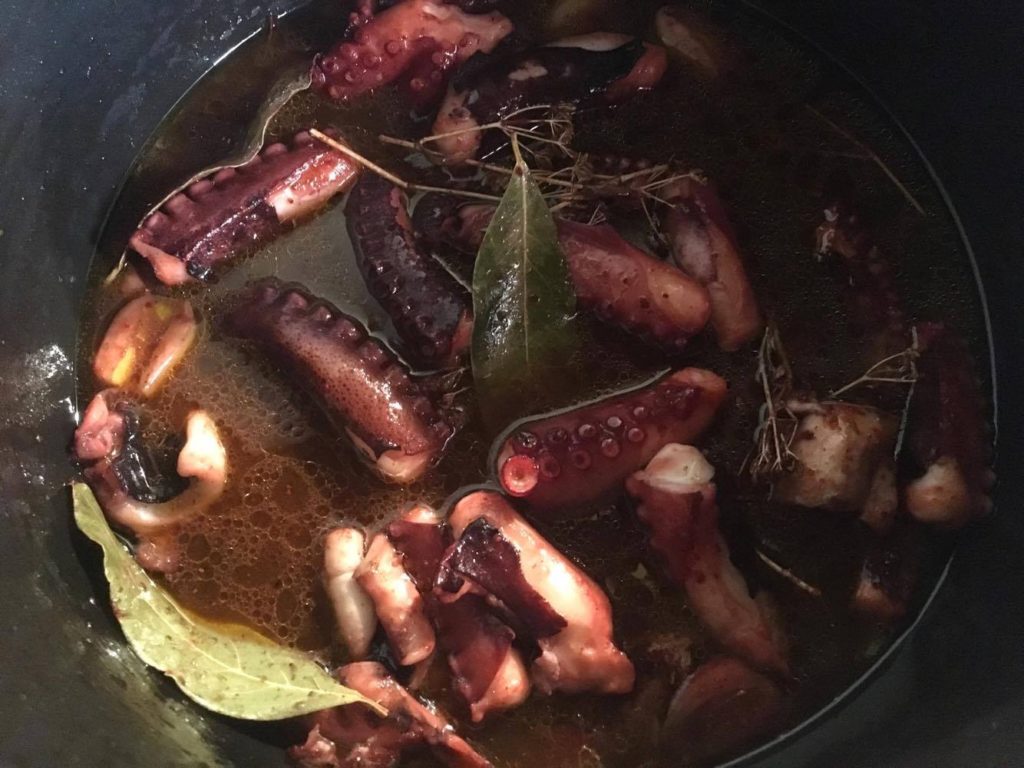
Simplicity at its best! The octopus is cooked in olive oil, garlic, pepper, espelette spice, thyme, rosemary, fenel, laurel. Add water and let it cooked on a low fire for an hour. Delicious with aioli(a Provencal dish made of mayonnaise and garlic and served with boiled vegetables) or simply on some grilled bread or potatoes. To pair with a rose or a white Coteaux d’Aix!
Le Sommelier- Cellar shop, Marseille.2017/11/13
Le Sommelier- Cellar shop, Marseille.
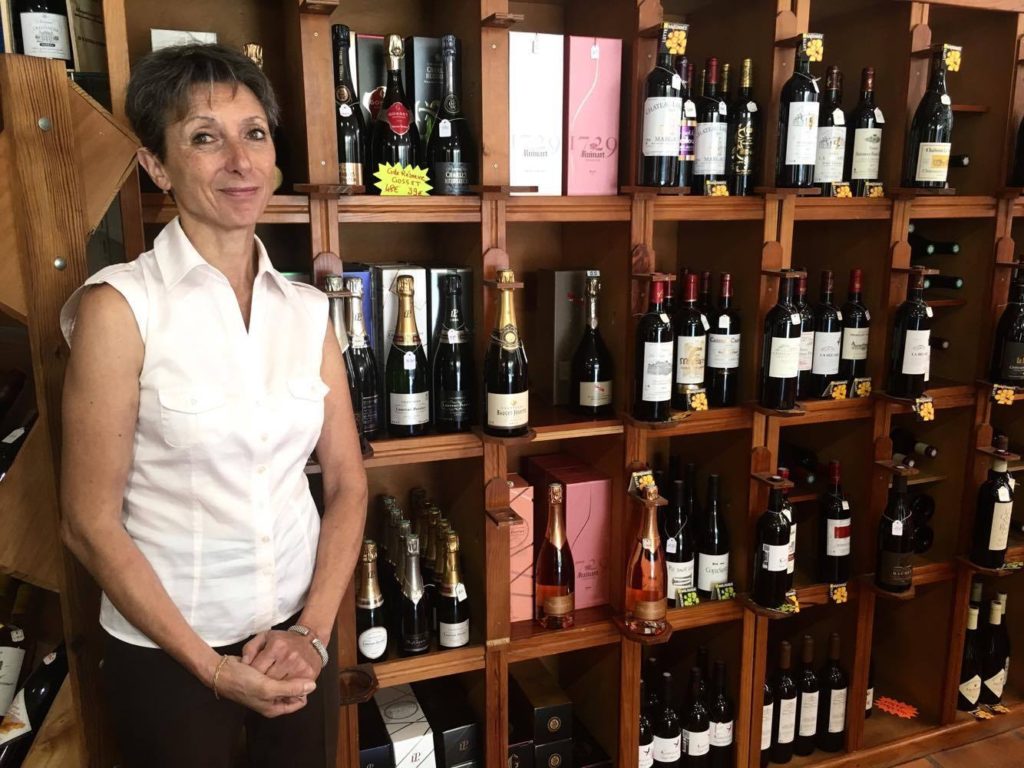
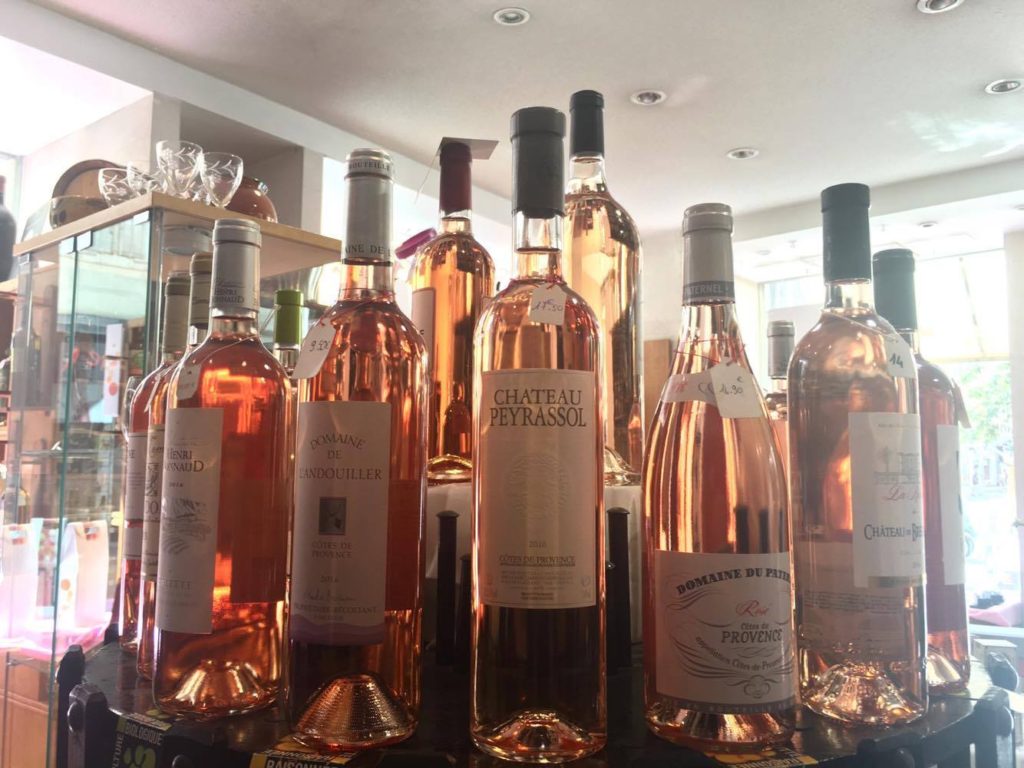
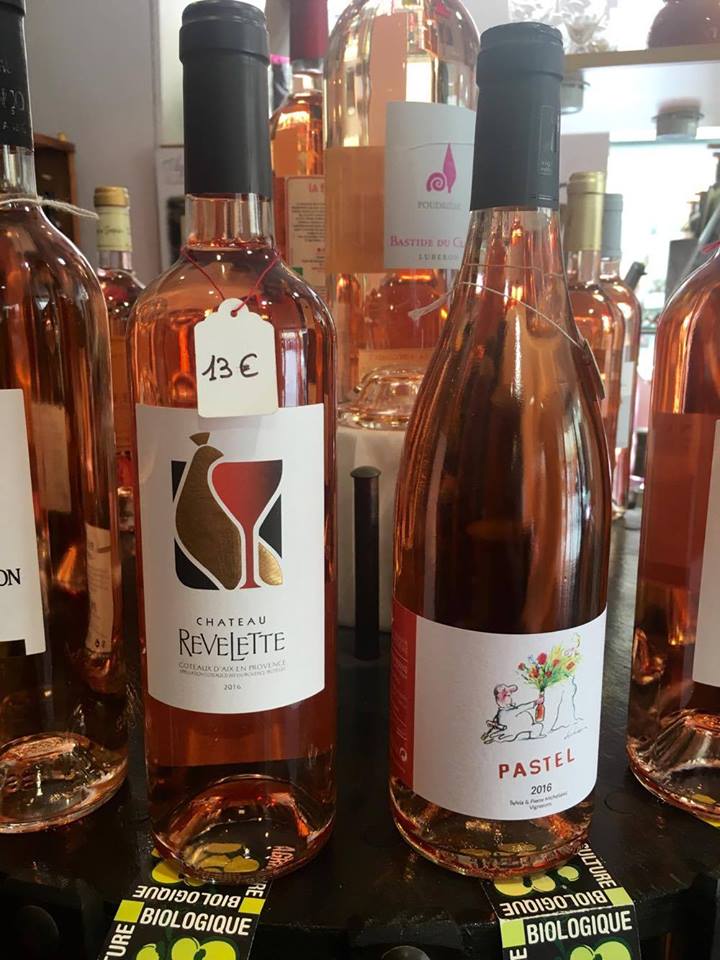
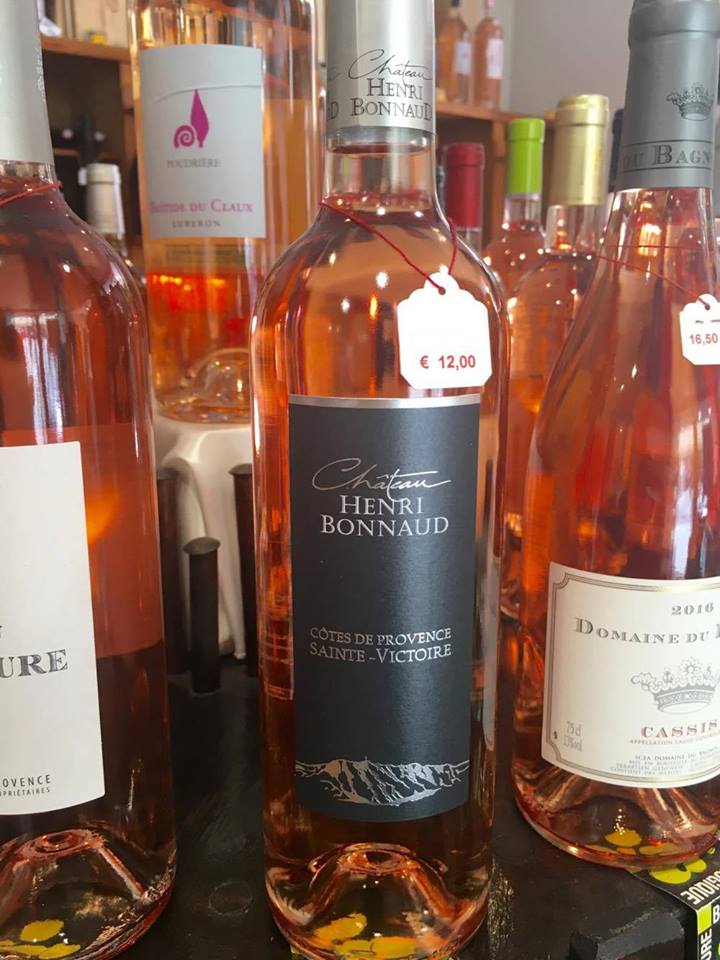
Le Sommelier is one of the oldest cellar shop in Marseille and offers more than 750 references. Nicole Richard-Vespieren father, a former dentist, decided to change profession in 1979 and after a diploma in oenology he opened his first cellar shop in Endoume area, a long time dream.
When his daughter Nicole decided to continue her father work she followed his path and studied oenology, as she’s always knew the importance to understand how things are made.
She is also a member of the French Sommelier Association and the vice president of the Commerce Chamber of Marseille.
Her husband started to work with her 20 years ago and they opened their second cellar shop 42 Rue de Rome.
Since then they have been working closely with the vine growers of Provence and Rhone’s Valley. Their two cellars offer to their customers a different selection throughout the seasons. Taking care to specify the method of agriculture practiced by the vine grower: lutte raisonee, biodynamy or organic farming.
They also have on offer Whiskeys from all around the world, renowned Champagnes, Cognacs or Armagnac of all ages and a delicatessen corner with caviar from Aquitaine, foies gras Lafitte and specialties of Provence.
A delivery service of boxes is offered with a personalized selection of wines.
Nicole’s selection changes also every year, she always pays great attention to the weather. For example 2016 was very hot so the rose is lacking acidity in some areas in Provence.
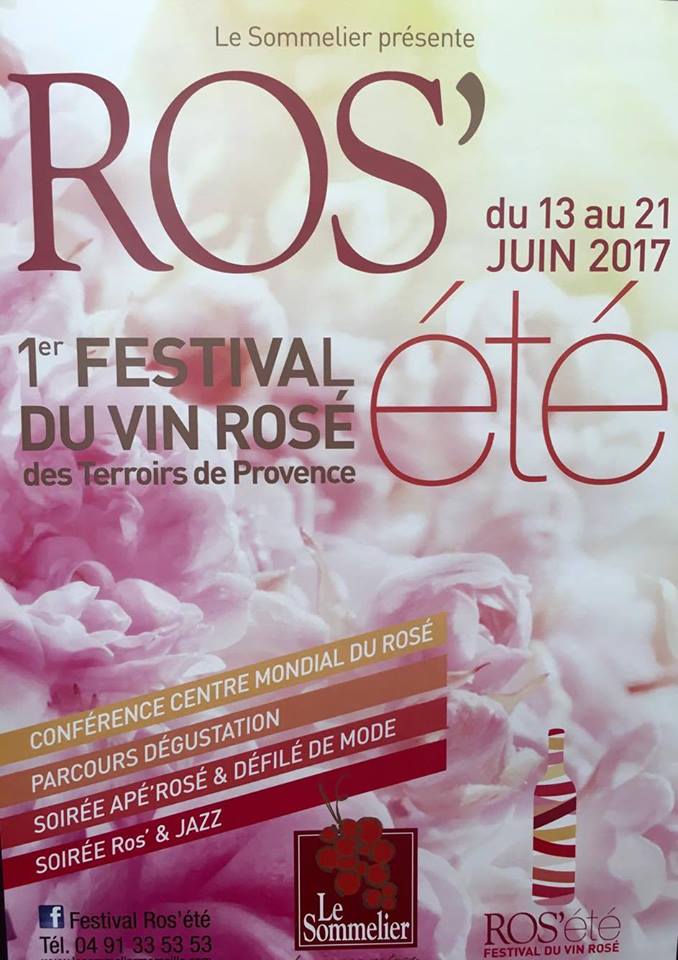
Jury’s member of the magazine Rosé, published annually she is the founder of the 1st Rosé Festival taking place from 13th until 21st of June in Marseille.
At this occasion conferences are organised, along with wine tastings at the cellar shop and some partner shops near by. It ends with the “Music Day”(fête de la musique), the day of music celebration in France.
LeSommelier
42 Rue de Rome, 13001 Marseille
営業 · 10時00分~13時00分, 14時30分~19時00分
+33 4 91 33 53 53